The EU ban on destroying unsold clothes and shoes: what the law says, who it covers and what changes
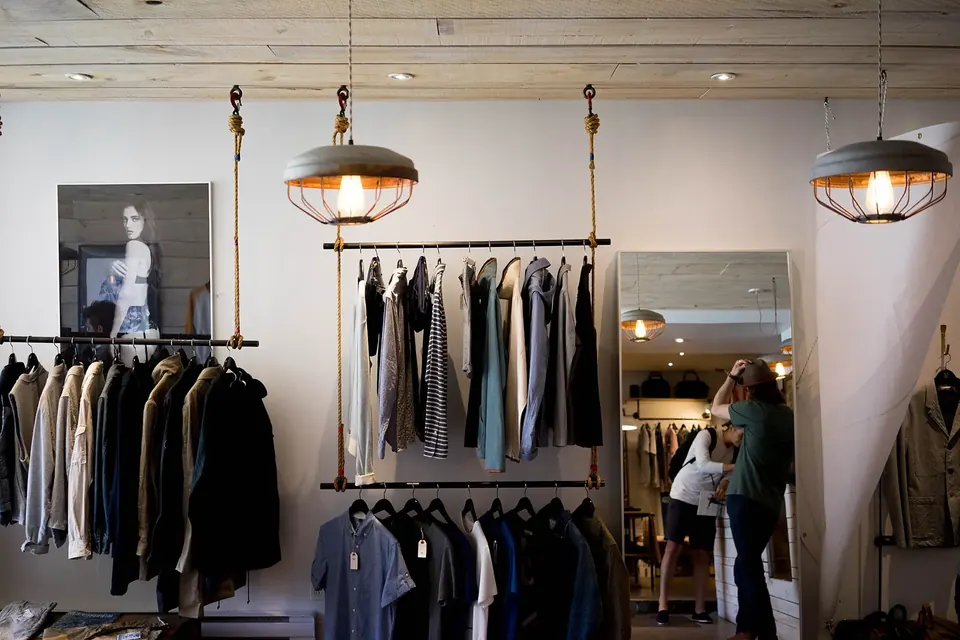
For years, stories surfaced of luxury houses burning surplus handbags, fast-fashion warehouses sending pallets of new clothes to incinerators and online sellers shredding returned shoes because storing or reselling them cost more than destroying them. In the European Union, that practice is now against the law for large companies. Since 19 July 2026, they may no longer destroy unsold clothing, clothing accessories and footwear. This guide explains what the rule actually says, who it applies to, where the exceptions lie and what it may change on the shop floor.
Where the rule comes from
The ban is not a stand-alone law. It is one chapter of the Ecodesign for Sustainable Products Regulation, Regulation (EU) 2024/1781, usually shortened to ESPR. Adopted on 13 June 2024 and published in the Official Journal on 28 June 2024, it replaced the old ecodesign directive, which mostly dealt with the energy use of appliances, with a much wider framework. Most of it works product by product, with durability or repairability requirements set one product group at a time. The chapter on unsold goods, Chapter VI, is different. It applies directly, without waiting for product-specific rules.
Because it is a regulation rather than a directive, it is the same text in every member state. National authorities enforce it and set the penalties, so fines will differ from one country to another, but the obligation itself does not.
What is banned, exactly
Article 25 is short: from 19 July 2026, "the destruction of unsold consumer products as listed in Annex VII shall be prohibited". Three definitions in Article 2 give it its reach.
- Destruction means the intentional damaging or discarding of a product as waste. Burning, shredding, landfilling, or slashing garments so they cannot be resold all count. There is one exception written into the definition: discarding a product only to send it for preparing for reuse, refurbishment or remanufacturing is not destruction.
- Unsold consumer product covers surplus stock, excess inventory and deadstock, and also products a consumer has sent back under the legal right of withdrawal, the 14-day cooling-off period for online and distance sales, or under a longer returns window offered by the seller. Returns are therefore inside the ban, which matters a great deal for e-commerce.
- Annex VII lists the products. For now it contains two groups, identified by customs codes: apparel and clothing accessories (knitted and woven garments, leather clothing and accessories, and hats and other headgear) and footwear of all kinds.
Separately, Article 23 sets a general duty for every economic operator, whatever the product, to take the measures that can reasonably be expected to prevent the need to destroy unsold goods. The Commission can add other product groups to Annex VII later by delegated act, after an impact assessment.
Who it applies to, and when
The ban follows the European definitions of company size set out in Commission Recommendation 2003/361/EC, which counts staff headcount together with turnover or balance sheet.
- Large companies: covered from 19 July 2026.
- Medium-sized companies (broadly, fewer than 250 employees): covered from 19 July 2030.
- Micro and small companies: exempt, so a vintage shop, an independent designer or a small market trader is not concerned. The Commission may extend the rule to them if there is evidence they are being used to get around it.
To close the obvious loophole, Article 25(2) adds that a company outside the ban may not destroy unsold products handed to it in order to circumvent the prohibition. A large brand cannot simply pass its surplus to a small contractor with instructions to dispose of it.
The exceptions
The law does not demand that every unsold item be kept forever. Article 25(5) required the Commission to adopt a delegated act setting out derogations, and limited the grounds it could use: health, hygiene and safety; damage from handling, or damage found after a return, that cannot be repaired at reasonable cost; products unfit for their intended use; donations that are refused; products unsuitable for reuse or remanufacturing; goods that infringe intellectual property, such as counterfeits; and cases where destruction has the smallest environmental impact of all options.
The Commission adopted that delegated act on 9 February 2026, together with an implementing act on reporting. In its announcement it describes destruction as permitted only in specific and justified circumstances, giving safety reasons and product damage as examples, and says national authorities will oversee compliance. In practice, a garment that fails a chemical safety test, or a counterfeit seized at customs, can still be destroyed; a perfectly good jacket that simply did not sell cannot.
The disclosure duty
Alongside the ban, Article 24 obliges companies that discard unsold consumer products of any kind, not only clothes, to publish once a year on an easily accessible page of their website:
- the number and weight of unsold products discarded, by type or category;
- the reasons, including which derogation they relied on;
- the share sent for reuse or remanufacturing, recycling, other recovery such as energy recovery, and disposal;
- the measures taken and planned to avoid destruction.
The same size thresholds apply: large companies first, medium-sized companies from 19 July 2030, micro and small companies exempt. According to the Commission, the standardised reporting format set by the implementing act applies from February 2027. From 19 July 2027 the Commission must also publish consolidated figures on the destruction of unsold goods every three years, which should give the first reliable European picture of how much is thrown away.
Why it matters
Nobody knows precisely how many new clothes are destroyed, which is part of the reason for the disclosure rule. The Commission's own estimate, given when it adopted the 2026 measures, is that 4 to 9% of unsold textiles in Europe are destroyed before ever being worn. Every one of those garments carries the water, energy and labour that went into growing the fibre, spinning, dyeing and sewing it, costs we trace in how the fashion industry uses water, for no use at all.
The deeper target is overproduction. A brand that can no longer burn or shred its mistakes has to store them, discount them, donate them or find someone to rework them, and each of those costs money. The hope behind the law is that this pushes companies to order closer to real demand. As we argued in Does sustainable fashion need a reboot?, fewer clothes made is a bigger win than any greener fibre.
The limits
The ban is a real change, but it has clear limits.
- Selling on is still allowed. Unsold stock can be sold in bulk to off-price retailers, liquidators or exporters, and what happens to it further down that chain is harder to follow. Note that the definition works the other way for recycling: discarding a garment as waste, even to have it recycled, counts as destruction unless it goes for reuse or remanufacturing, so shredding new clothes into fibre needs one of the derogations.
- Medium-sized brands wait until 2030, and small ones are outside the rule altogether.
- Enforcement depends on national authorities, whose resources and penalties will vary, and on the honesty of the published figures until they can be checked.
- It says nothing about volume. A company can still produce far more than it can sell, as long as it does not destroy the surplus.
What it means for you
For shoppers, the most visible effects are likely to be more outlet and end-of-season sales, more donated and refurbished stock, and more deadstock fabric and garments available to the designers who rework them, a practice we describe in What is upcycled fashion?. It is also worth knowing that a return you send back to a large online seller can no longer legally go straight into a shredder because it was opened. That does not make returns free of cost: transport, checking and repackaging all have a footprint. Buying deliberately, with fewer "order three sizes, keep one" purchases, remains the simplest contribution; our method for shopping less can help.
The law no longer lets large brands make overproduction disappear. The next question is whether it makes them produce less.
Sources
- Regulation (EU) 2024/1781 of 13 June 2024 establishing a framework for the setting of ecodesign requirements for sustainable products, official text on EUR-Lex: Article 2 (definitions), Articles 23 to 26 (Chapter VI) and Annex VII. Checked in November 2026.
- European Commission, Directorate-General for Environment, New EU rules to stop the destruction of unsold clothes and shoes, 9 February 2026: adoption of the delegated and implementing acts, reporting from February 2027, share of unsold textiles destroyed.
- Commission Recommendation 2003/361/EC of 6 May 2003 concerning the definition of micro, small and medium-sized enterprises (company size thresholds referred to by the regulation).
 People & power
Does sustainable fashion need a reboot?
A decade of 'eco' collections has not shrunk the footprint. What would?
 Care & repair
What is upcycled fashion?
Upcycling versus recycling, deadstock and offcuts, techniques, and projects to try.
 Wardrobe
How to shop less
Audit, find the real gaps, slow the impulse, and buy fewer, better pieces.