The Women Series: the work that keeps clothes in use
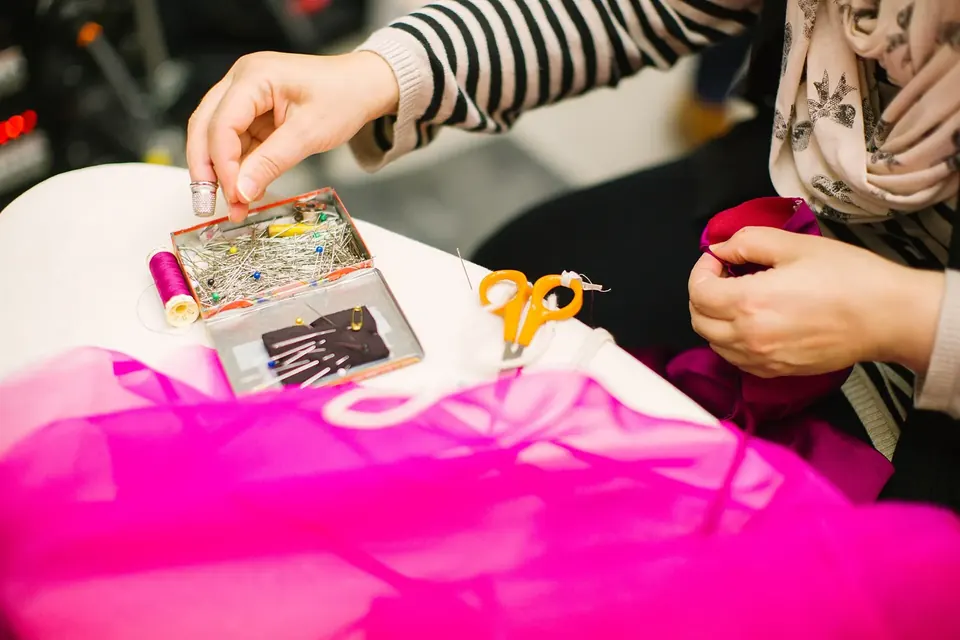
Behind every garment that lasts is a chain of skilled work, and much of it is done by women. The International Labour Organization estimates that around 80% of garment workers worldwide are women, and the same is true of many of the trades that repair, alter, resell and remake clothes. The Women Series profiles these kinds of work. These are not interviews: they are explainers about the jobs themselves, what they involve and why circular fashion depends on them.
Each profile describes a type of work in general terms, based on how the trade is practised, not on any individual. Where we cite figures or rules, they are sourced at the end.
1. The tailor and alterations specialist
What the work is: adjusting garments to fit their wearer: taking in and letting out, shortening and lengthening, tapering, re-cutting shoulders, replacing linings and zips. In bespoke tailoring, drafting patterns and building garments from scratch.
Why it matters: poor fit is the commonest reason clothes go unworn. WRAP's 2012 survey of UK households found that around 30% of the clothing in the average wardrobe had not been worn for at least a year, most often because it no longer fitted. A good alteration turns those garments back into clothes.
Skills: reading the construction of a garment, judging seam allowances, precise hand and machine sewing, fitting on the body.
How to support it: budget for alterations when you buy, especially second-hand, and pay for the skill rather than haggling it down.
2. The mender and invisible repairer
What the work is: darning knitwear, reweaving moth holes in wool and cashmere, patching, restoring hems and seams, and visible mending that makes repair decorative.
Why it matters: extending the active life of clothes is one of the most effective ways to cut their footprint. WRAP estimated that just three extra months of active use per item would reduce the carbon, water and waste footprints of clothing by 5 to 10% each.
Skills: patience, close knowledge of yarns and weaves, colour matching.
How to support it: repair early, use repair cafés and local menders, and treat mending as a normal cost of owning good clothes. See the guide to better fashion habits.
3. The resale and vintage entrepreneur
What the work is: sourcing second-hand clothes from sorting centres, estate sales and private sellers; cleaning, repairing, photographing and describing them; pricing and selling in shops, markets or online.
Why it matters: reuse keeps garments at their highest value. The Ellen MacArthur Foundation estimates that people miss out on USD 460 billion of value each year by throwing away clothes they could continue to wear.
Skills: an eye for quality and era, knowledge of fibres and labels, repair basics, honest description, and the business skills of a small retailer.
How to support it: buy second-hand first; when you sell, describe and measure garments accurately so they find the right owner.
4. The natural dyer
What the work is: colouring fibre, yarn and fabric with plant, insect and mineral dyes, from madder roots and indigo to food waste such as onion skins and avocado stones; also overdyeing faded garments to give them a new life.
Why it matters: dyeing and finishing are among the most polluting stages of textile production; the Ellen MacArthur Foundation cites an estimate that 20% of industrial water pollution globally comes from the dyeing and treatment of textiles. Natural dyeing is not automatically low-impact, because mordants and water still matter, but skilled dyers show what careful colour can look like.
Skills: chemistry of mordants and fibres, recipe-keeping, safe handling and disposal of materials.
How to support it: value slight colour variation as a sign of craft; ask how any "natural dye" claim was achieved.
5. The textile sorter
What the work is: sorting donated and collected clothing by type, quality and fibre for resale, export, recycling or disposal, often at high speed in large facilities.
Why it matters: sorting decides whether a garment is worn again. In the European Union, separate collection of textiles has been mandatory since 1 January 2025, and new extended producer responsibility rules will finance more collection and sorting. The European Commission notes that 20 to 35 jobs are created for every 1,000 tonnes of textiles collected for reuse.
Skills: fast recognition of fibres and quality, knowledge of markets, physical stamina.
How to support it: donate clean, dry clothes, paired shoes and complete sets; put worn-out items in textile recycling, not mixed with wearable donations.
6. The zero-waste pattern cutter
What the work is: designing patterns so that pieces fit together on the fabric with little or no offcut, or so that offcuts become part of the design.
Why it matters: the Ellen MacArthur Foundation's analysis of global clothing flows counts about 12% of material lost in production, a category that includes factory offcuts.
Skills: pattern drafting, geometry, and close collaboration with designers and factories.
7. The garment worker organiser
What the work is: organising fellow workers in factories and workshops, negotiating with employers, documenting abuses, supporting workers in disputes, and campaigning for safety and living wages, often at considerable personal risk.
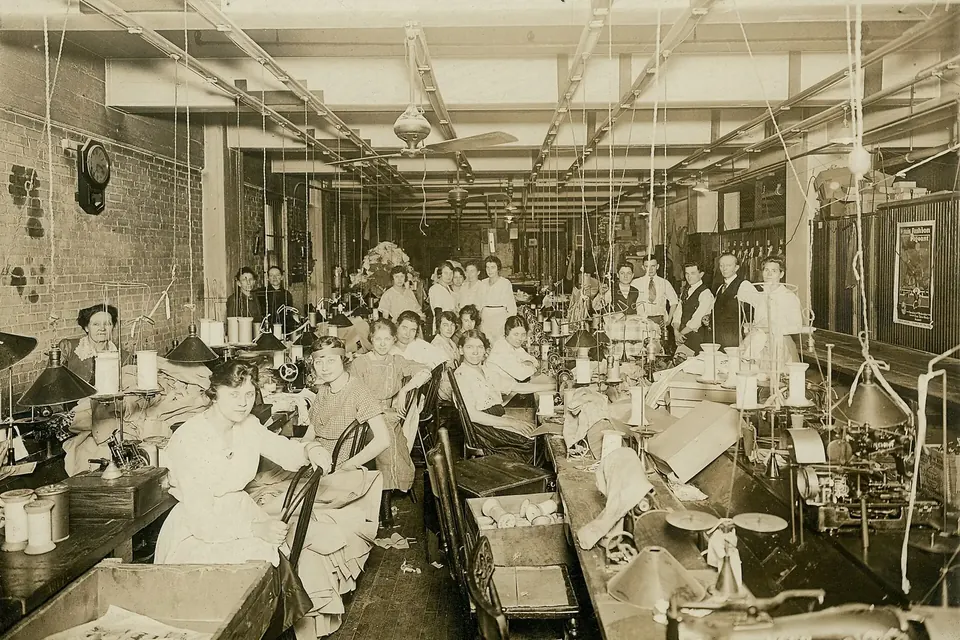
Why it matters: workers' own organisations have won some of the most important gains in the industry, including the legally binding agreements on factory safety signed after the Rana Plaza collapse in 2013, which were negotiated between brands and trade unions. Our history of garment workers' rights tells that story.
How to support it: support campaigns led by workers' organisations, ask brands whether they respect freedom of association, and back enforceable agreements rather than voluntary codes.
8. The cobbler and leather repairer
What the work is: resoling and reheeling shoes, restitching, recolouring, replacing zips, handles and linings on bags, belts and jackets.
Why it matters: leather goods built well can last decades with repair, and repair costs far less than replacement. See our guide to bags and accessories.
How to support it: replace heel tips before they wear through, and take good shoes and bags to a cobbler before giving up on them.
Circular fashion is not a technology. It is a set of skills, and the people who have them.
Sources
- International Labour Organization (2021), Moving the Needle: Gender equality and decent work in Asia's garment sector.
- WRAP (2012), Valuing our clothes.
- Ellen MacArthur Foundation (2017), A New Textiles Economy, summary of findings.
- European Commission, EU Strategy for Sustainable and Circular Textiles.
- Clean Clothes Campaign, Rana Plaza.
 People & power
Fighting for garment workers' rights
Rana Plaza, the Accord, SB 62 and due diligence: why clothes are a labour issue.
 Wardrobe
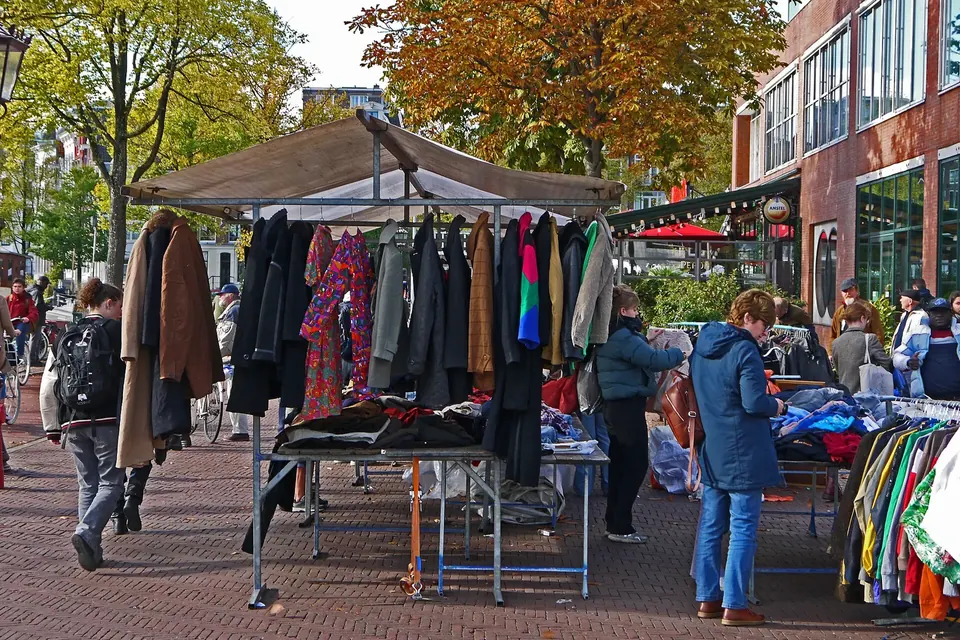
Sustainable in the city
Markets, swaps, repair cafés, tailors and cobblers: the city as a circular wardrobe.
 Care & repair
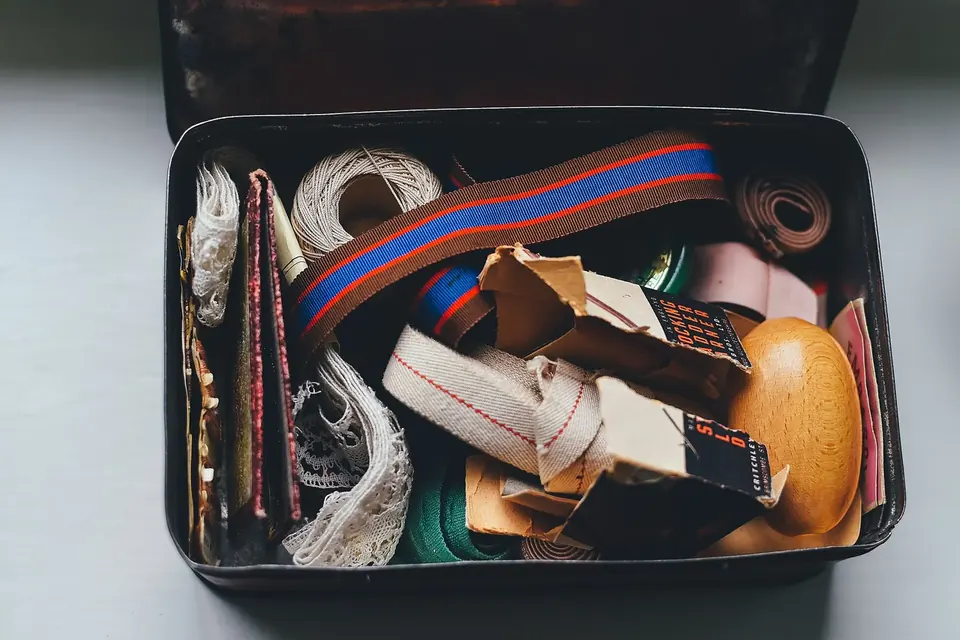
What is upcycled fashion?
Upcycling versus recycling, deadstock and offcuts, techniques, and projects to try.