How to shop less without feeling deprived: a practical method
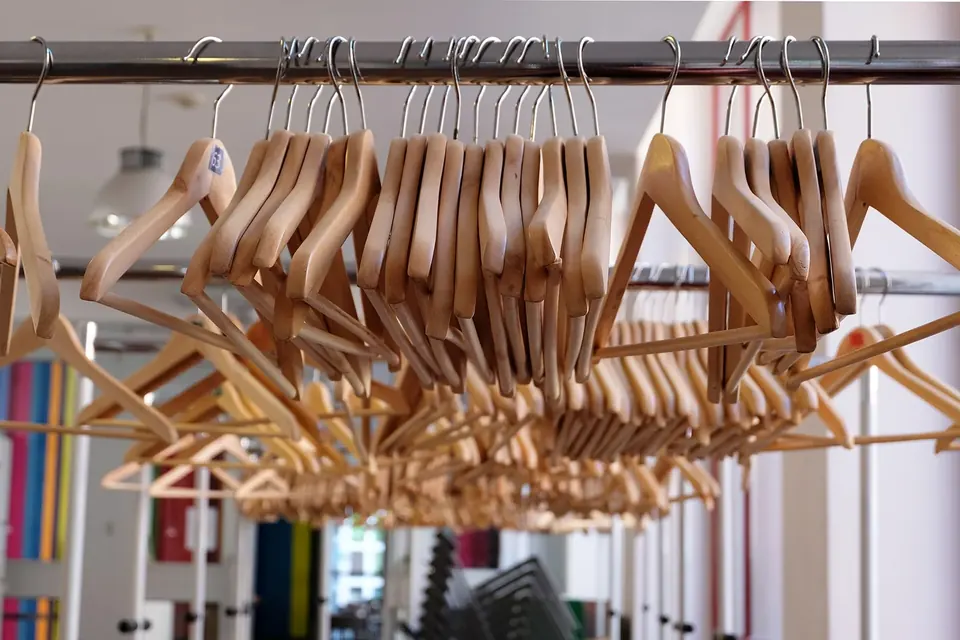
Buying fewer new clothes is the single most effective thing most people can do for a more sustainable wardrobe. It is also the hardest, because shopping is designed to be easy, quick and pleasant. The answer is not willpower alone but a few habits that put friction back between wanting something and owning it.
Why "less" matters more than "greener"
The Ellen MacArthur Foundation estimates that clothing production roughly doubled between 2000 and 2015 while the number of times each garment was worn fell by 36%. In the United States, it found, clothes are worn for only around a quarter of the global average. Every garment you do not buy avoids its entire production footprint, which no recycled fibre or organic label can match.
Shopping less also tends to save money and time, and many people find it makes getting dressed simpler: fewer options, more of them good.
Step 1: audit what you already own
You cannot judge what you need without knowing what you have. Set aside an afternoon and go through everything, including the boxes under the bed.
- Take everything out of one category at a time: tops, then trousers, then dresses, then outerwear, shoes and bags.
- Sort into four piles: wear often, wear sometimes, never wear and needs repair.
- For the "never wear" pile, write down why: wrong size, uncomfortable, needs a specific occasion, does not go with anything, you simply do not like it any more. Those reasons are your most useful shopping data.
- Book the repairs. A missing button or a dropped hem is the commonest reason a good garment sits unworn.
You are probably not alone if the "never wear" pile is big. WRAP's 2012 survey found that around 30% of clothing in the average UK wardrobe had not been worn for at least a year, most often because it no longer fitted. Our guide to the cost of a messy closet explains how to organise what stays.
Step 2: find your real gaps
A real gap is something you repeatedly need and do not have: a waterproof coat you would wear every week, work trousers that fit, shoes you can walk in. A false gap is a desire created by a new season, a sale or a social feed. Write the real gaps on a short list, ideally no more than five items, and carry it on your phone.
Divide the price by the number of times you realistically expect to wear the garment. A coat bought for 200 and worn 150 times costs less per wear than a dress bought for 40 and worn twice. If you cannot picture at least thirty wears, think again.
Step 3: put friction back
- The waiting rule. When you want something that is not on your list, wait. Many people use thirty days; even forty-eight hours removes most impulse buys.
- Unsubscribe and unfollow. Marketing emails and shoppable feeds exist to create wants. Removing them is the easiest form of self-control.
- Delete saved cards. Typing a card number is a small but real pause.
- Shop with a list, not for entertainment. Browsing as a pastime almost always ends in a purchase.
- Count your purchases. Write down every garment you buy for a year. The number alone tends to bring it down.
Step 4: new is the last resort, not the first
For each item on your list, work down this order before buying new:
| Option | Best for | Watch out for |
|---|---|---|
| Repair or alter what you own | Good garments with a fixable fault, or that fit badly | Fabric that is worn through |
| Swap or borrow | One-off events, children's clothes, trying a new style | Needs a network of friends or a local swap |
| Rent | Formalwear, occasion dresses, suits | Delivery and cleaning footprint; read the terms |
| Second-hand and vintage | Almost everything, especially outerwear and knitwear | Sizing differs; inspect seams and fabric |
| Buy new, well | Underwear, technical gear, items you will wear for years | Vague sustainability claims |
The guide to sustainable shopping in the city covers repair cafés, swaps and markets in more detail. The same order of preference works for a home: our guide to furnishing a rental the circular way applies it to furniture, curtains and linens.
Step 5: judge quality before you pay
When you do buy, buy something that will last. Price is a poor guide; construction is a good one.
- Fabric: hold it up to the light. Very thin knits and loosely woven fabrics wear out fast. Rub a hidden area between your fingers: pilling at this stage will only get worse.
- Seams: stitches should be small, even and tight, with enough seam allowance to let out or repair.
- Pattern matching: stripes and checks that meet at the seams are a sign of care in cutting.
- Fastenings: zips should run smoothly; buttons should be sewn on firmly, ideally with a spare.
- Care label: if a garment must be dry-cleaned and you never dry-clean, it will not get worn. See our guide on caring for "dry clean only" clothes at home.
What to do with the urge
The wish for something new is normal and is not a moral failing. Some ways to satisfy it without a new purchase:
- Restyle: wear a dress over trousers, a shirt as a jacket, a scarf as a belt.
- Rotate: pack away a third of your clothes for a season, then swap them back. They will feel new.
- Have something altered: tapered trousers or a shortened sleeve can change a garment's whole character.
- Plan a "considered buy" once a season: one well-researched piece instead of many quick ones.
Shopping less is not about owning nothing. It is about wearing everything you own.
Sources
- Ellen MacArthur Foundation (2017), A New Textiles Economy, summary of findings.
- WRAP (2012), Valuing our clothes.
- European Commission, EU Strategy for Sustainable and Circular Textiles.
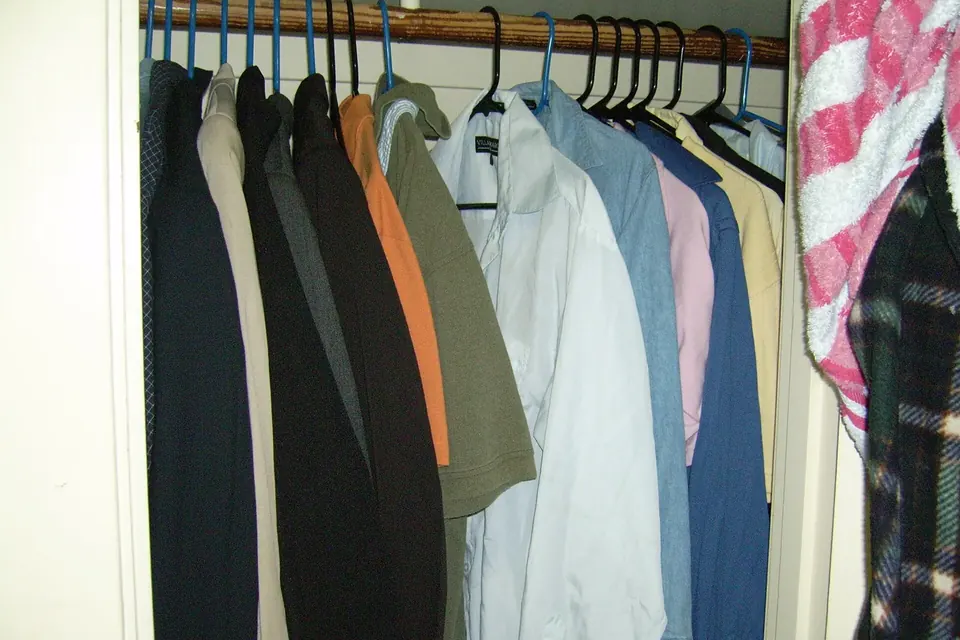 Wardrobe
Your messy closet is costing you money
Duplicates, damage and forgotten pieces: how to edit and organise a closet you wear.
 Wardrobe
Better fashion habits
Wash cooler, dry flat, store well, mend early: twelve routines that add years.
 Wardrobe
Sustainable shopping for maximalists
Colour, pattern and drama, sourced second-hand, rented, swapped and styled to last.