How to break up with your dry cleaner: perc, wet cleaning and caring for clothes at home
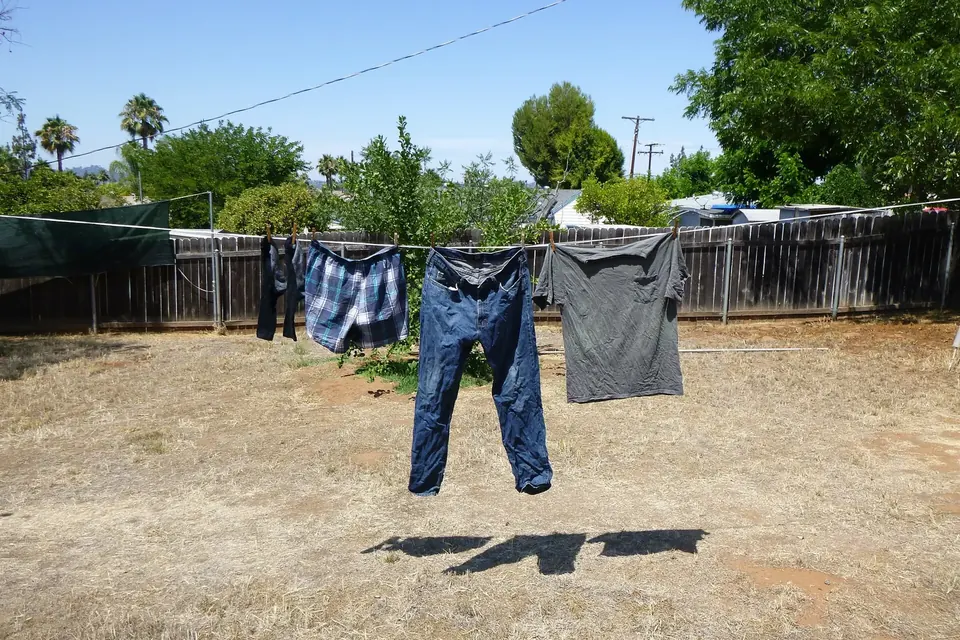
Dry cleaning is not actually dry. Clothes are washed in a liquid solvent instead of water, and for decades the dominant solvent has been perchloroethylene, a chlorinated chemical that regulators now consider too hazardous to keep using. You do not have to give up professional cleaning entirely, but you can need it far less, and choose better when you do.
What happens at the dry cleaner
A dry-cleaning machine looks like a large front-loading washer. Garments tumble in a solvent that dissolves oils and grease without swelling fibres the way water can, which is why it suits wool tailoring, structured garments and some silks. The solvent is then filtered, distilled and reused, and the clothes are dried and pressed. Water-soluble stains such as sweat or sugar are treated separately by "spotting" before or after.
Why perc is on the way out
Perchloroethylene, also called tetrachloroethylene, PCE or simply perc, has been the workhorse dry-cleaning solvent for most of the past century. It is also a hazardous chemical:
- The International Agency for Research on Cancer classifies tetrachloroethylene as probably carcinogenic to humans (Group 2A).
- In December 2024 the US Environmental Protection Agency issued a final rule under the Toxic Substances Control Act that bans most uses of PCE and sets a ten-year phase-out of its use in dry cleaning. Use of PCE in newly acquired dry-cleaning machines is prohibited after six months, and older machine types are phased out sooner. EPA opened a reconsideration of the rule in 2025; check its page for the current status.
- California went further and earlier: its Air Resources Board barred new perc machines from 2008 and phased perc out of dry cleaning in the state by 1 January 2023.
The people most exposed are dry-cleaning workers and those who live or work in the same building. Exposure for customers is lower, but solvent can linger in freshly cleaned clothes; airing them outside the plastic bag before you hang them indoors is a sensible habit wherever your cleaner is.
The alternatives, compared
| Method | How it works | Points to know |
|---|---|---|
| Professional wet cleaning | Computer-controlled washers and dryers using water, mild detergents and conditioners, with precise control of temperature, agitation and moisture, followed by tensioning and pressing | No solvent. Suits most "dry clean only" garments, including wool and silk, in skilled hands. Ask for it by name. |
| Liquid carbon dioxide | CO2 kept liquid under pressure acts as the cleaning medium, then returns to gas and is recaptured | Non-toxic and non-flammable; machines are expensive, so few shops offer it. |
| Hydrocarbon solvents | Petroleum-derived solvents in closed machines | Not chlorinated, but flammable and a source of volatile organic compounds. "Organic" in the marketing means carbon-based, not organic farming. |
| Other proprietary solvents | Silicone-based and other branded solvents | Profiles vary; ask the shop which solvent it uses and look up its safety information. |
A shop that calls itself "green" or "eco" may still use perc in part of its operation, or hydrocarbon solvent. The useful question is simply: which solvent or process will you use for this garment?
What you can safely clean at home
Many care labels say "dry clean" because it is the manufacturer's safe option, not the only one. A label reading "dry clean only" deserves more caution than one reading "dry clean". Always test first on an inside seam or hem, and use cool water, a gentle detergent made for wool or delicates, and no wringing.
| Fibre or garment | At home | Leave to a professional |
|---|---|---|
| Wool and cashmere knits | Hand-wash cool with wool detergent, or use a machine's wool cycle; squeeze in a towel; dry flat | Heavily felted or very old pieces |
| Silk | Hand-wash cool and quickly; test colourfastness; roll in a towel; iron on the reverse while slightly damp | Structured silk, printed silk that bleeds, silk with linings |
| Viscose / rayon | Hand-wash cold, very gently; it is weak when wet; never wring; reshape and dry flat or hung | Viscose tailoring, crepe that may shrink |
| Linen and cotton | Usually machine-washable on a gentle cycle despite the label; shrinkage risk if hot | Lined jackets |
| Wool suits and coats | Brush after wearing, air on a shaped hanger, spot-clean, steam to refresh | Full cleaning, ideally by wet cleaning, once or twice a season |
| Leather, suede, fur, sequinned or beaded pieces | Brush, air, spot-clean only | Any full cleaning |
The refresh routine that replaces most trips
- Air after wearing. Hang the garment by an open window or outside in the shade overnight. Odours from cooking and smoke fade surprisingly fast.
- Brush. A clothes brush lifts dust and lint from wool and keeps the nap smooth. Brush downwards, with the grain.
- Steam. A hand steamer, or a hot shower in a closed bathroom, relaxes creases and freshens wool without washing it.
- Spot-clean. Treat marks as they happen. The stain removal guide explains which treatments suit which stains.
- Rest. Wool recovers its shape when it is not worn two days in a row.
Do not use petrol, lighter fluid or other improvised solvents at home. Keep commercial spot removers away from heat and children, use them in a ventilated room, and never mix cleaning products, especially ammonia and chlorine bleach.
When you do need a cleaner
- Ask which process will be used, and request wet cleaning where offered.
- Point out stains and tell the cleaner what caused them.
- Skip unnecessary extras such as plastic covers and wire hangers, or return them.
- Remove the plastic bag as soon as you get home and air the garment.
- Clean tailoring less often: before storage at the end of a season is usually enough.
The kindest thing you can do for a wool coat is brush it, air it, and leave it alone.
Sources
- US EPA, Risk management for perchloroethylene (PCE), final rule of December 2024 and later updates.
- US EPA, Dry cleaning fact sheet (December 2024).
- California Air Resources Board, Phase out of perchloroethylene from the dry cleaning process.
- International Agency for Research on Cancer, IARC Monographs volume 106: Trichloroethylene, tetrachloroethylene, and some other chlorinated agents (2014).
- New Mexico State University Cooperative Extension, Guide C-502: Removing Clothing Stains.
 Care & repair
The art of stain removal
Protein, tannin, grease, dye: identify the stain family, then treat it the right way.
 Wardrobe
Better fashion habits
Wash cooler, dry flat, store well, mend early: twelve routines that add years.
 Materials & footprint
A sustainable gown for the red carpet
Archive pieces, deadstock silk, careful embellishment and a planned afterlife.