What does it take to create a sustainable gown for the Oscars? Red-carpet and couture practice explained
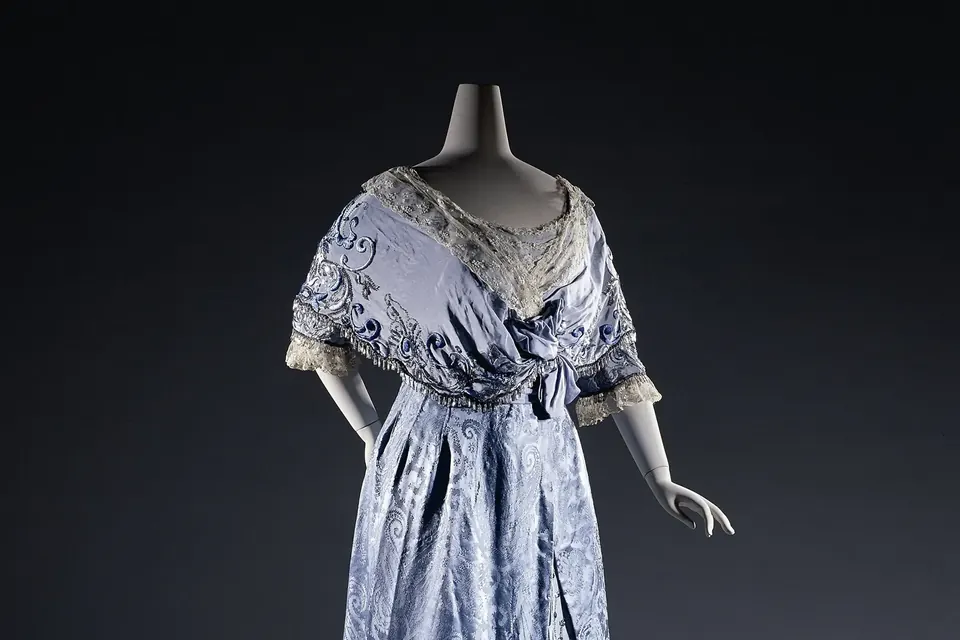
A red-carpet gown is worn for a few hours and photographed by thousands. That makes it a powerful symbol, and also a strange object to call sustainable: it is often made for a single night, flown across the world for fittings, and never worn again. Yet couture is also the part of fashion closest to the ideal of a garment made slowly, by hand, to last. What it takes to make it sustainable is mostly a matter of choices at each stage.
Start with what already exists
The most effective sustainable choice on a red carpet is the least glamorous to describe: wearing something that has been worn before. Options include:
- Re-wearing a gown from a previous event, perhaps altered or restyled.
- Archive pieces from a fashion house's own collection, which already exist and only need fitting.
- Vintage gowns, which can be restored and altered by skilled workrooms.
- Rental, increasingly common for evening wear.
A gown that already exists has no new fibre, dyeing or production footprint. Whatever the materials of a new gown, it is hard to beat that.
If the gown is new: materials
| Material choice | Why it helps | What to check |
|---|---|---|
| Deadstock fabric | Uses fabric already produced and unsold, such as surplus silks from mills or fashion houses | Quantity is limited; the source should be stated |
| Certified organic fibres | Organic cotton, linen or silk grown without synthetic pesticides | A recognised standard such as the Global Organic Textile Standard covers processing as well as farming |
| Certified wood-based fibres | Lyocell and other cellulosic fibres from responsibly managed forests | Forest certification and closed-loop solvent processes |
| "Peace" or non-violent silk | Silk reeled after the moth has left the cocoon | Texture differs from conventional silk; claims should be verifiable |
| Recycled fibres | Recycled polyester or nylon for linings and tulle | Share of recycled content; still sheds microfibres |
| Low-impact or natural dyes | Can reduce hazardous chemistry in dyeing | Natural does not automatically mean low impact; mordants and water use matter |
Dyeing and finishing are a significant source of water pollution in textiles: the Ellen MacArthur Foundation cites an estimate that 20% of industrial water pollution globally comes from the dyeing and treatment of textiles. For a single gown, the choice of dye house and finishing process is as important as the fibre.
Embellishment
Beads, sequins, crystals and metallic thread give red-carpet gowns their impact. Most sequins are plastic, and heavy embellishment can make a gown hard to alter, clean or recycle. Responsible approaches include:
- Reusing vintage beads and trims, or removing embellishment from damaged garments to reapply.
- Choosing glass, metal or bio-based alternatives to plastic sequins.
- Hand embroidery that is attached securely, so the gown survives repeated wear.
- Paying the embroiderers properly: couture embellishment can take many hours of skilled hand work, often subcontracted to specialist workshops whose conditions are rarely disclosed.
Construction made to last
Couture techniques are naturally suited to longevity: generous seam allowances that allow later alteration, inner corsetry and linings that can be replaced, hand finishing that can be repaired. A gown designed from the start to be altered for a second wearer, or converted into a shorter dress afterwards, has a future beyond one evening. Fittings matter too: fewer, better-planned fittings mean less travel for the gown, the wearer and the team.
Care on the night and after
Red-carpet gowns are often cleaned with solvents. Perchloroethylene, the most common dry-cleaning solvent, is classified by the International Agency for Research on Cancer as probably carcinogenic to humans, and the US Environmental Protection Agency adopted a ten-year phase-out of its use in dry cleaning in December 2024. Specialist cleaners can often use wet cleaning or spot-cleaning instead; see our guide to alternatives to dry cleaning. Storing a gown well, clean, flat or on a padded form, in breathable covers, keeps it ready for a second life.
The hidden footprint: travel and fittings
For a single red-carpet appearance, the gown, the wearer and a team may travel between workrooms, fittings and the event, sometimes across continents. Multiple gowns are often made or flown in so that one can be chosen at the last minute; the rest may never be worn. Practical ways to reduce this include working with a local workroom, taking measurements once and carefully, using a dress form made to the wearer's measurements for most of the work, holding fittings by video where possible, and committing to one design early. These choices rarely make headlines, but they can matter more than the fibre.
Lessons for everyday evening wear
Few people will ever commission a couture gown, but the same principles apply to a wedding, a gala or a graduation: rent or borrow for a one-off event, buy vintage, choose a dress that can be shortened or restyled afterwards, and look after it so it can be worn again or passed on. The guide for maximalists has more on sourcing statement pieces second-hand.
The afterlife of a gown
- Re-wear by the same person, openly, at another event.
- Alteration into a new design.
- Rental or resale, sometimes through charity auctions.
- Archive by the fashion house, available for future loans.
- Museum collections: historic gowns survive for centuries when they are valued and cared for, as the gown in the photograph above shows.
Reading red-carpet sustainability claims
Red-carpet sustainability is often announced in a single line on social media. A few questions help separate substance from story:
- Is it new, archive, vintage or re-worn?
- Which materials are certified, by which standard, and what share of the gown do they represent?
- Who made it, and were the workshops named and fairly paid?
- What will happen to the gown afterwards?
In the European Union, generic environmental claims without proof have been prohibited since 27 September 2026 under Directive (EU) 2024/825. The red carpet is not a shop, but the same standard of evidence is a fair one to apply.
The most sustainable red-carpet moment is a beautiful gown seen for the second time.
Sources
- Ellen MacArthur Foundation (2017), A New Textiles Economy, summary of findings.
- Global Organic Textile Standard, global-standard.org.
- US EPA, Risk management for perchloroethylene (PCE); IARC, Monographs volume 106.
- Directive (EU) 2024/825 on empowering consumers for the green transition.
 Materials & footprint
Ethical and sustainable jewelry
Mercury, conflict minerals, recycled gold, lab-grown stones and the questions to ask.
 People & power
Fashion weeks: what to watch for
Runway sustainability beyond the press release: materials, sets, models and standards.
 Care & repair
What is upcycled fashion?
Upcycling versus recycling, deadstock and offcuts, techniques, and projects to try.