How to darn a hole in a sweater or sock: a beginner's guide to mending knits
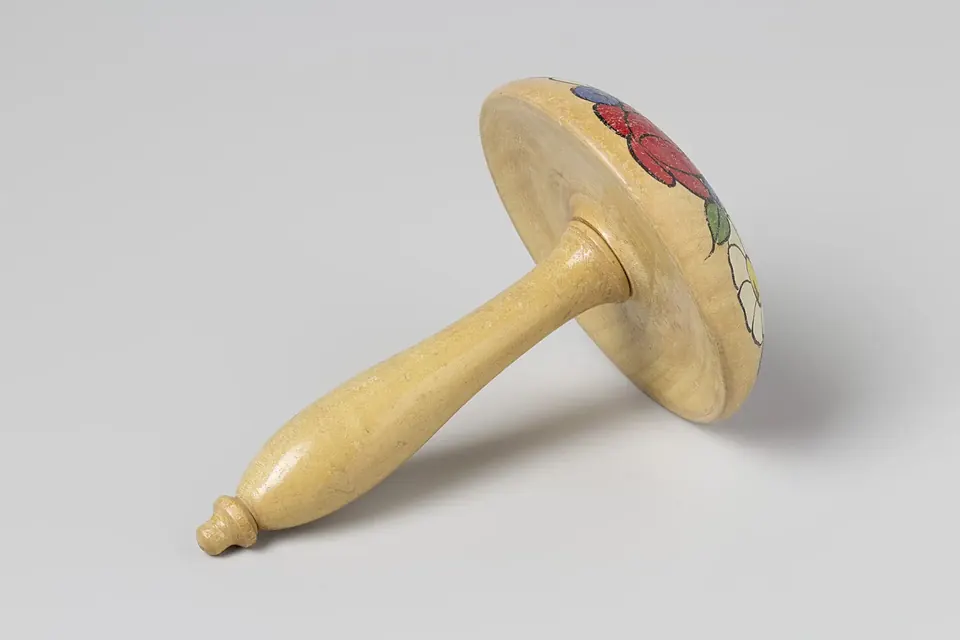
A moth hole in a favourite jumper or a heel worn through on a good wool sock is usually where a garment's life ends. It does not have to be. Darning, the old technique of weaving new yarn across a hole, takes one blunt needle, a little yarn and about twenty minutes for a small repair. It is easier than knitting, needs no machine, and the result can be almost invisible or proudly visible, as you prefer. This guide walks through the method from start to finish.
What darning is, and what it is not
A darn rebuilds the missing fabric. You stretch the area over a firm, curved surface, lay a set of parallel threads across the hole and a little beyond it, then weave a second set at right angles through the first, over one and under one, like a tiny piece of cloth. The new weave is anchored in the sound knitting around the hole, so the load spreads into healthy fibres rather than pulling on the edge of the damage.
It is different from a patch, which sews a separate piece of fabric over or under the hole, and from Swiss darning, also called duplicate stitch, which follows the path of the original knitted stitches with new yarn. Swiss darning is the best way to reinforce an area that has gone thin but has not yet broken; a woven darn is the right tool once there is a real hole. Both belong to the family of repair skills that we describe in our explainer on upcycled fashion, where mending is the most modest and most useful branch.
What you need
- A darning needle. Long, with a large eye and a blunt or rounded tip, so it slides between fibres instead of splitting them. A tapestry needle works well.
- Something to darn over. A darning mushroom like the one in the photo above is ideal: the cap holds the fabric taut, and the handle lets you gather the excess knitting underneath. A darning egg, a tennis ball or a smooth, rounded jar lid will do.
- Yarn. More on choosing it below.
- Small scissors and, if you like, a rubber band to hold the fabric around the mushroom's stem.
- Good light. Daylight from a window makes it much easier to see the stitches you are working into.
Choosing the yarn
The yarn matters more than the stitch. Three things to match:
- Fibre. Wool with wool, cotton with cotton. Mixing a wool jumper with an acrylic darning thread makes a repair that behaves differently in the wash, may shrink or pill differently and can pull on the surrounding knit. The fibre content is on the care label; our guide to reading a care label explains what else the label tells you about washing the repaired piece.
- Thickness. Use yarn the same weight as the knitting or slightly finer. Too thick, and the darn becomes a hard lump; too thin, and you will need many more passes. For fine knits, splitting a plied yarn into fewer strands is a common trick.
- Colour. For an invisible mend, take the garment to a yarn shop in daylight and choose the closest match, erring on the darker side. For a visible mend, pick a contrast you like: a bright square on an elbow can look deliberate and good.
Specialist darning wool used to be sold on small cards in every haberdashery and can still be found, sometimes in mixed-colour packs. Leftover yarn from another project often works just as well.
Step by step: a woven darn
- Wash first if the garment is dirty, and trim any long loose fibres around the hole. Do not cut the edges back to make the hole tidy; every bit of knitting you keep is something to anchor into.
- Mount the fabric. Turn the garment right side out, slip the mushroom inside under the hole and gather the surplus fabric around the stem. The area should be smooth and slightly taut, not stretched: overstretched knitting will pucker once you take it off.
- Mark your rectangle. Picture a square or rectangle that extends about one centimetre beyond the hole on every side, into firm fabric. If the area around the hole is thin, extend the rectangle until you reach solid knitting. You can outline it with a running stitch to keep yourself honest.
- Lay the first threads. Starting at one corner, without a knot, leave a short tail and work rows of small running stitches across the rectangle in sound fabric, then carry the yarn straight across the hole and continue running stitches on the far side. Turn and come back, keeping the rows close, roughly the width of one yarn apart. Leave a small loop at each turn rather than pulling tight; this slack lets the darn give with the knit.
- Weave the cross threads. Turn the work by a quarter. Now work rows at right angles to the first, again starting and ending in sound fabric. Over the hole, pass the needle over one laid thread and under the next, then reverse the pattern on the following row. Push each row gently against the previous one with the needle tip so the weave is dense.
- Finish without knots. Run the end of the yarn back through a few centimetres of the darn or the surrounding knit on the wrong side and trim. Knots are uncomfortable in socks and can work loose.
- Relax and press. Remove the mushroom, ease the fabric back into shape with your fingers and, for wool, steam lightly under a cloth. The darn will settle into the knit after the first wash.
Your first attempt will look uneven. That is normal and does not matter much: a slightly lumpy darn that holds is far better than a hole that grows.
Socks, elbows and other special cases
Socks. Heels and balls of the foot carry the most friction. Darn with the sock on the mushroom so the curve matches the foot, keep the darn flat and avoid knots and thick yarns, which cause blisters. If a sock is thin all over the heel, reinforcing it with Swiss darning before it breaks saves a lot of work later.
Elbows and cuffs. These wear in broad areas rather than single holes. Larger, rectangular darns or a knitted or woven patch on the inside are often more durable than many small repairs.
Moth holes. Clothes moth larvae often leave several small holes in one area. Darn each one, then check the whole garment and the drawer it lived in: freeze or wash affected items, and clean the storage space before putting them back. Our guide to better fashion habits covers storing knitwear clean and folded, which is the best prevention.
Fine machine knits. A thin merino or cashmere jumper with very small stitches can be hard to darn invisibly by hand. A specialist invisible-mending or knitwear repair service can re-knit the stitches; it costs more, but is worth considering for an expensive or sentimental piece.
Why it is worth the twenty minutes
The most sustainable garment is usually the one you already own. Every extra season of wear is a season in which nothing new has to be grown, spun, dyed, sewn and shipped to replace it. The UK charity WRAP has long put extending the active life of clothing at the centre of its work on the footprint of fashion, alongside designing for durability and better reuse. Darning is the smallest, cheapest contribution to that goal, and one of the few that is entirely in your hands.
It also changes how you look at your wardrobe. Once you know a hole is a twenty-minute job, buying knitwear in good natural fibres starts to make more sense, because you can keep it going for years. And a visible darn, in a contrasting yarn, tells anyone who notices that the piece has been looked after.
A darn is a small piece of new cloth woven into an old one: anchor it in sound fabric, keep it slack, and never knot it.
Sources
- WRAP, Valuing our clothes: the cost of UK fashion (2017), on extending the life of clothes as a priority for reducing the footprint of clothing.
- Rijksmuseum, Amsterdam, darning mushroom with painted flowers, object BK-1973-718 (collection record and photograph, CC0).
 Care & repair
What is upcycled fashion?
Upcycling versus recycling, deadstock and offcuts, techniques, and projects to try.
 Care & repair
How to read a care label
Tubs, triangles, squares, irons and circles: what each symbol really asks, and what it leaves out.
 Wardrobe
Better fashion habits
Wash cooler, dry flat, store well, mend early: twelve routines that add years.