The best of NYFW and other fashion weeks: what sustainable progress to watch for
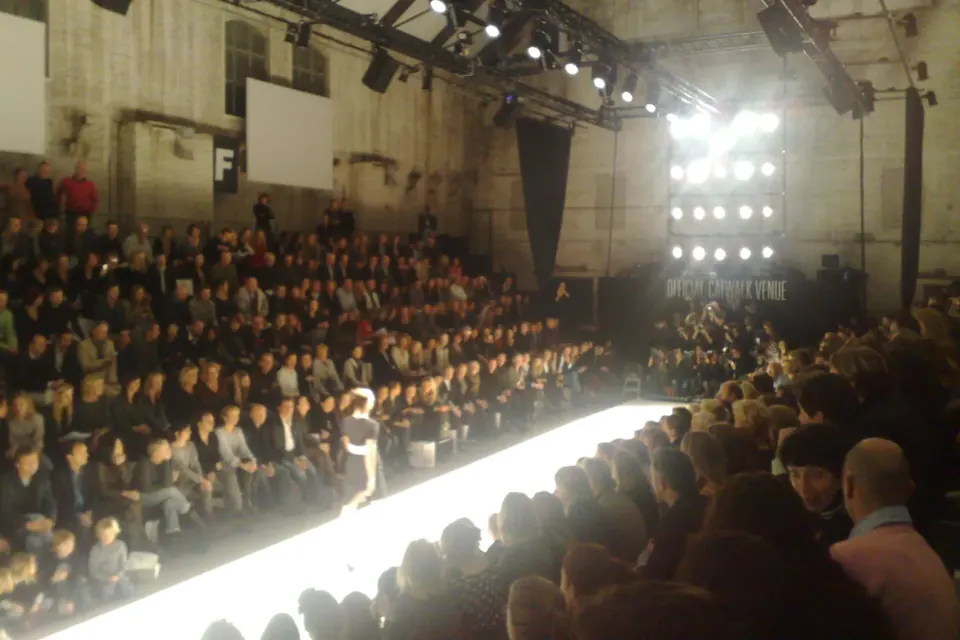
Twice a year, New York, London, Milan, Paris and dozens of other cities stage fashion weeks that set the agenda for what people will be told to want. Sustainability now appears in many show notes. Telling meaningful progress from decoration takes a few simple questions, whether you are watching New York or any other week.
Why fashion weeks matter for sustainability
A fashion week has three kinds of impact. There is the footprint of the collections themselves, which reflects how a brand designs and produces. There is the footprint of the event: temporary sets, lighting, printed invitations, and the travel of models, buyers, press and teams. And there is cultural influence: what the runway celebrates, whether novelty or longevity, shapes demand far beyond the audience.
On the runway: what to look for
- Repeated and evolving pieces. Brands that carry signature designs from season to season, rather than replacing everything, are designing for longevity.
- Deadstock and upcycled material, stated precisely: which fabric, from where, and what share of the collection.
- Certified materials named with their standard, not just "eco" adjectives.
- Smaller collections. Fewer looks, fewer colourways, and production made to order rather than in bulk.
- Repair and resale built into the brand's offer, not only new product.
- Craft and makers credited by name, including artisan workshops.
Be cautious about a single "sustainable capsule" within an otherwise unchanged collection. The useful question is what share of the brand's total production it represents.
Behind the runway
Show production
Sets built for a twelve-minute show can be large. Better practice includes reusable or rented set elements, recycled or recyclable materials, digital invitations, and published plans for what happens to sets afterwards. Some brands show less often, combine seasons, or present digitally.
Models' working conditions
Shows depend on models who often work long, unpaid or poorly paid days during fashion weeks. In New York State, the Fashion Workers Act has applied since 19 June 2025: among other things, it caps model management commissions at 20%, bans signing fees, requires written consent for digital replicas, and obliges clients to pay overtime after eight hours and provide meal breaks. Our guide to ethical modeling agencies explains these rules.
Casting and representation
Diversity of age, size, skin colour, gender and disability on the runway affects whom fashion is seen to be for. Watch whether it is consistent across seasons or a one-off.
Fashion weeks that set minimum standards
One of the most concrete developments has come from the fashion weeks themselves. Copenhagen Fashion Week introduced sustainability requirements that brands must meet to be on its official schedule: since January 2023, applicants have had to document compliance with a set of minimum standards, initially eighteen, across six focus areas: strategic direction, design, smart material choices, working conditions, consumer engagement and show production. A revised version, announced in March 2024, became the admission criteria from January 2025, adding new standards and raising existing ones. The organisers are clear that the framework is screened by an external committee but is not a certification or an audit.
Requirements like these show that a fashion week can use its gatekeeping role for more than prestige. They are a useful benchmark for any week, including New York's: ask whether brands on the schedule are required to meet anything at all.
A checklist for any season
| Question | A good sign | A warning sign |
|---|---|---|
| What share of the collection uses lower-impact materials? | A stated percentage with named standards | "Selected pieces", no figure |
| How much is produced? | Made to order, small runs, carry-over styles | Huge seasonal ranges replaced every few months |
| Who made it? | Named factories and workshops | No information about production |
| What happens to the set? | Rented, reused, or a published plan | Nothing said |
| How are models treated? | Paid, with clear hours and breaks | Unpaid "trade" bookings and long, unregulated days |
| What does the brand do after the sale? | Repair, resale, take-back with transparency | Recycling promises with no data |
Reading the show notes
Many shows now come with a sustainability paragraph. It is worth reading it closely, because the language can be precise or deliberately vague:
- "Up to" and "selected styles" usually mean a small share of the collection.
- "Responsibly sourced" means nothing on its own; look for the named standard or the supplier.
- "Carbon neutral show" generally relies on offsets; ask what was actually reduced first.
- "Recyclable" describes what could happen to a garment, not what will; ask whether a recycling route exists.
- Numbers with a baseline, such as a share of certified fibre this season against last, are the most useful thing a brand can publish.
In the European Union, generic environmental claims without proof have been prohibited since 27 September 2026, under Directive (EU) 2024/825. That rule applies to selling to consumers rather than to runway shows, but it sets a useful standard for any claim made in a show note.
Watching from home
Most people experience fashion week through images. The most sustainable way to enjoy it is as inspiration rather than a shopping list: take ideas for colour, proportion and styling, and look for them first in your own wardrobe and in second-hand shops. Our guide for maximalists has ideas for recreating runway drama without buying new.
The best of any fashion week is not the newest look. It is the idea worth wearing for years.
Sources
- Copenhagen Fashion Week, Sustainability requirements, and first revision of the requirements (March 2024).
- FashionUnited (March 2024), CPHFW releases first sustainability requirements revisions.
- Directive (EU) 2024/825 on empowering consumers for the green transition.
- New York State Department of Labor, Responsibilities of fashion management and clients.
 People & power
Does sustainable fashion need a reboot?
A decade of 'eco' collections has not shrunk the footprint. What would?
 People & power
What is an ethical modeling agency?
Debt, late pay, harassment and digital replicas: models' rights and what good agencies do.
 Materials & footprint
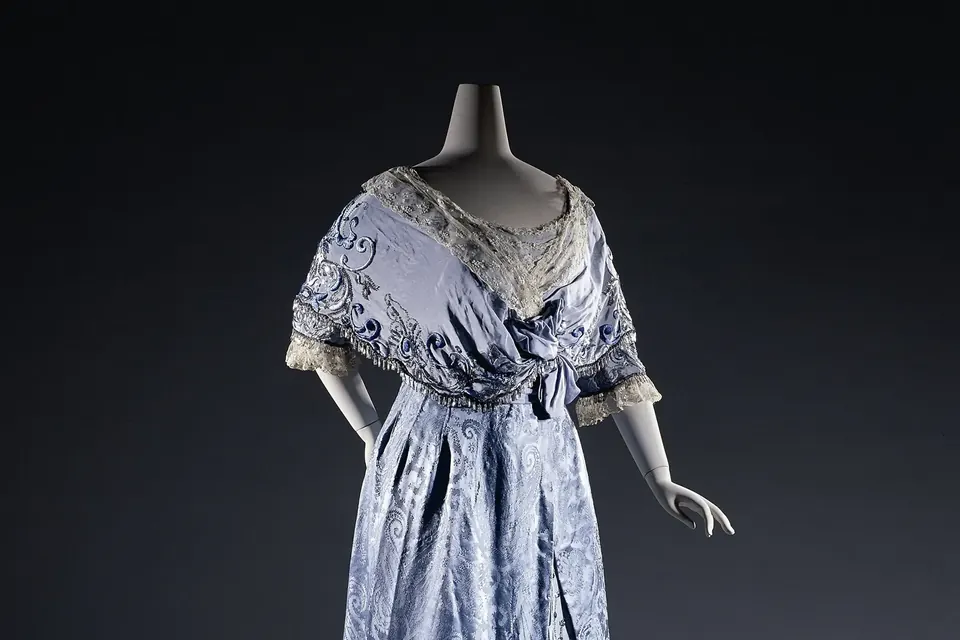
A sustainable gown for the red carpet
Archive pieces, deadstock silk, careful embellishment and a planned afterlife.