The unexpected story behind this bag: upcycled, deadstock and second-hand bags and accessories
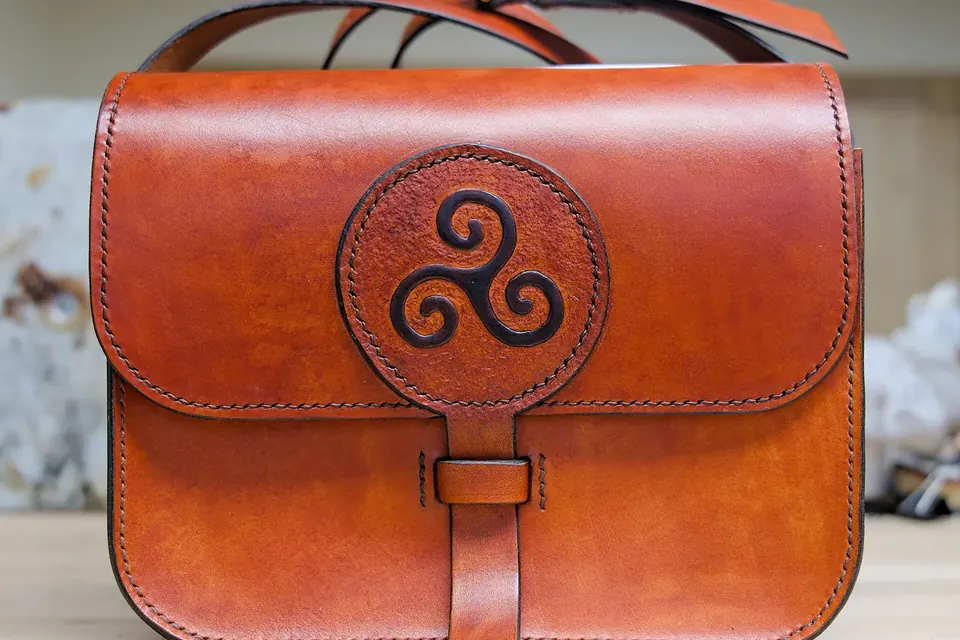
Every bag has a back story: where its material came from, who cut and stitched it, how many owners it has had. Bags and small accessories are among the easiest things to buy second-hand or upcycled, because sizing hardly matters and good ones are built to last for decades. They are also among the easiest to be misled about.
Three kinds of "better" bag
Upcycled bags
Made from material that already had a life: old leather jackets, tents and sails, truck tarpaulins, seatbelts, coffee sacks, denim, kilims and upholstery fabric. Each piece is unique, and the material is often tougher than standard bag fabric, because it was built for heavy use. As with all upcycled fashion, price reflects the labour of sourcing, cleaning and cutting one piece at a time.
Deadstock bags
Made from unused material left over from other production: leather offcuts and surplus hides, end-of-roll canvas, unused hardware. Deadstock exists because the industry overproduces. A ban on destroying unsold apparel and footwear has applied to large companies in the European Union since 19 July 2026, which adds pressure to find uses for surplus stock.
Second-hand and vintage bags
The most direct route: a bag that already exists, often of better construction than a new one at the same price. The resale market for bags is large and well organised, from charity shops to specialist platforms with authentication services.
What to check before you buy
- Stitching: small, even, tight stitches with no loose ends, especially at handle attachments, which carry the load.
- Handles and straps: look for reinforced attachment points, rivets or patches. Cracked edges or thinning leather near the hardware mean a repair is due.
- Edges: on leather, edges should be painted, burnished or folded neatly. Peeling edge paint can be redone; split leather is harder.
- Hardware: zips should run smoothly; metal should be solid rather than coated plastic. Check that clasps close firmly.
- Lining: look inside. Torn linings are replaceable; a sticky or flaking interior on older synthetic bags often is not.
- Base: corners wear first. Scuffed corners can be recoloured; holes need patching.
- Smell: mustiness can often be aired out; mould usually cannot be fully removed from leather.
Materials, honestly
| Material | Durability | Points to know |
|---|---|---|
| Full-grain leather | Very high; ages well | Repairable and conditionable. Ask how it was tanned and whether the tannery's practices are documented. |
| Split or "genuine" leather | Lower; often coated | The coating can crack and peel. |
| Polyurethane and PVC ("vegan leather") | Often limited | Plastic-based. Coatings peel and cannot be repaired well; avoid if you want a long-lasting bag. |
| Plant-based leather alternatives | Varies widely | Many contain a significant share of polyurethane binder; ask for the composition. |
| Canvas and heavy cotton | High | Washable and patchable; waxed canvas can be re-waxed. |
| Nylon and recycled nylon | High | Light and strong; check the coating on the inside for flaking. |
Repairs worth doing
A cobbler or leather repairer can do most of these at a fraction of the cost of a new bag:
- Restitching handles and seams
- Replacing worn handles or straps
- Re-edging and recolouring scuffed corners
- Replacing zips, magnetic clasps and buckles
- Relining a torn interior
- Cleaning and conditioning dried-out leather
Fabric bags can be patched at home with sturdy fabric and a heavy needle. Our city guide explains how to find cobblers, tailors and repair cafés.
Caring for bags
- Do not overfill: weight stretches handles and strains seams.
- Store stuffed with paper or a soft cloth to keep the shape, in a cotton dust bag, away from heat and direct sun.
- Clean leather with a barely damp cloth; condition occasionally with a product suited to the leather type, after testing on a hidden area.
- Let a wet leather bag dry naturally at room temperature, never on a radiator.
- Rotate bags so no single one takes all the wear.
Buying and selling second-hand
For valuable designer bags, counterfeits are a real risk. Buy from sellers who offer authentication or a returns policy, and be wary of prices far below the market. When selling, clean the bag, photograph it in daylight from every side including the base, interior and any marks, and give exact measurements. Keep dust bags, boxes and receipts; they help resale.
Make one yourself
A simple tote is one of the easiest upcycling projects, and a good way to use fabric from a garment that cannot be saved:
- Choose a sturdy fabric: denim from old jeans, canvas, a heavy cotton shirt, curtain or upholstery fabric.
- Cut two rectangles of the same size, plus two long strips for handles. A trouser leg already gives you a tube that needs only a seam at the bottom.
- Fold the handle strips lengthways with the raw edges inside and topstitch them.
- Sew the two rectangles together on three sides, right sides facing. To give the bag a flat base, pinch each bottom corner into a triangle and stitch across it.
- Fold the top edge over twice to hide the raw edge, insert the handles under the fold and stitch round, then stitch the handles again in a box with a cross for strength.
Back pockets from jeans make ready-made inside pockets; old belts make strong straps.
Small accessories, big difference
Belts, wallets, scarves, hats and sunglasses follow the same logic: second-hand first, repair before replacement, and buy fewer, better pieces. Vintage silk scarves and leather belts are particularly easy to find in good condition. For jewelry, see why ethical jewelry matters.
The best bag story is a long one: made well, repaired often, and passed on.
Sources
- European Commission, EU Strategy for Sustainable and Circular Textiles (timeline of the ban on destroying unsold textiles and footwear).
- Ellen MacArthur Foundation (2017), A New Textiles Economy, summary of findings.
 Care & repair
What is upcycled fashion?
Upcycling versus recycling, deadstock and offcuts, techniques, and projects to try.
 Wardrobe
Sustainable in the city
Markets, swaps, repair cafés, tailors and cobblers: the city as a circular wardrobe.
 Materials & footprint
Ethical and sustainable jewelry
Mercury, conflict minerals, recycled gold, lab-grown stones and the questions to ask.