Why ethical and sustainable jewelry matters: gold, gems and what to ask before you buy
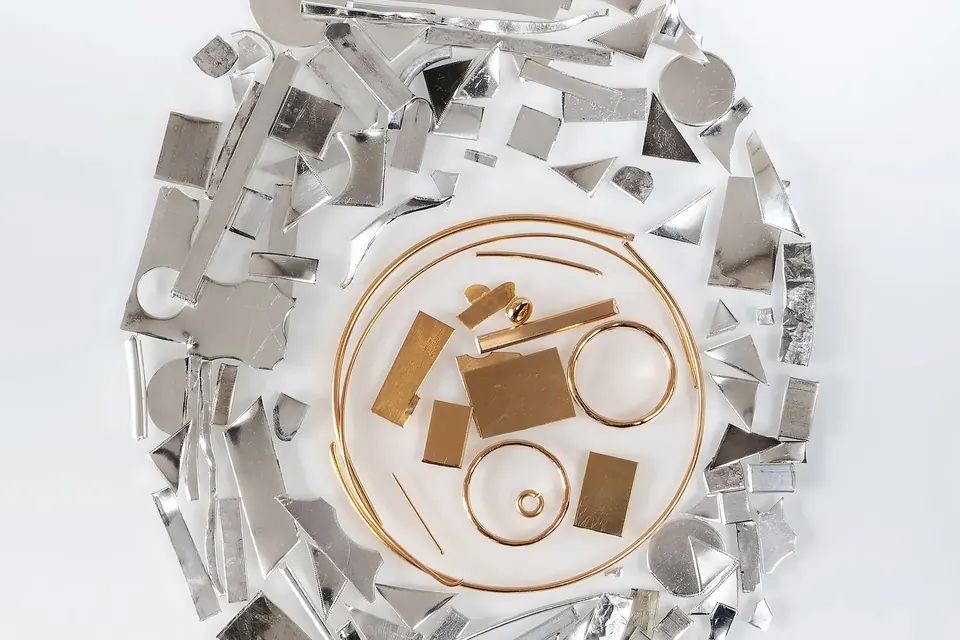
Jewelry is small, but the materials in it travel a long way. A gold ring or a gemstone pendant can carry a history of open-pit mines, mercury poisoning or armed conflict that no label on the box mentions. The good news is that jewelry is also one of the easiest categories in fashion to buy well: precious metals recycle endlessly, and the most sustainable pieces often already exist.
Gold: the mercury problem
Much of the world's gold comes from large industrial mines, which raise their own issues of land use, water and waste rock. A significant share also comes from artisanal and small-scale gold mining, which provides a livelihood for millions of people but often relies on mercury to bind fine gold particles into an amalgam. The mercury is then burned off, releasing vapour that harms miners, their families and the surrounding environment.
The UN Environment Programme's Global Mercury Assessment 2018 found that artisanal and small-scale gold mining accounted for almost 38% of global anthropogenic mercury emissions to air, making it the largest single source. The Minamata Convention on Mercury, in force since August 2017, requires countries with significant artisanal gold mining to develop national action plans to reduce, and where feasible eliminate, mercury use in the sector.
Simply boycotting artisanal gold is not the answer, since it would remove an income from some of the world's poorest mining communities. The better route is gold from artisanal mines that work without mercury, with safe conditions and fair prices, and that are independently certified.
Conflict minerals and the limits of certification
Gold, tin, tantalum and tungsten can finance armed groups where mining takes place in conflict-affected areas. The OECD's Due Diligence Guidance for Responsible Supply Chains of Minerals from Conflict-Affected and High-Risk Areas sets the international reference for how companies should identify and address these risks. In the European Union, the Conflict Minerals Regulation (EU) 2017/821 has required importers of these four minerals above certain volumes to carry out due diligence since 1 January 2021.
For diamonds, the Kimberley Process Certification Scheme, launched in 2003, aims to keep "conflict diamonds" out of the trade in rough stones. It has two well-known limits: it covers rough diamonds only, not cut and polished stones, and its definition of conflict diamonds is narrow, referring to rough diamonds used by rebel movements to finance wars against legitimate governments. Human-rights abuses and environmental damage outside that definition are not covered.
Your options, compared
| Option | Strengths | What to check |
|---|---|---|
| Vintage and antique jewelry | No new mining at all; often finer craftsmanship | Condition of settings and clasps; have claws checked before wearing |
| Remodelling heirlooms | Keeps sentimental metal and stones in use | Ask whether the jeweller melts your own metal or swaps it for stock |
| Recycled gold and silver | Avoids new extraction; metal quality is identical | "Recycled" can mean many things; ask for the refiner and any chain-of-custody certification |
| Certified artisanal gold | Supports small-scale miners working to standards on mercury, safety and pay | Look for a named certification with a traceable mark, such as Fairmined or Fairtrade gold |
| Laboratory-grown diamonds and gems | No mining; chemically and optically the same as mined stones | Production is energy-intensive, so the source of electricity matters; disclosure is required |
| Non-precious and alternative materials | Low cost; creative | Plating wears off and cannot be recycled easily; check for nickel if you have allergies |
In the United States, the Federal Trade Commission's Jewelry Guides require that laboratory-created stones be clearly described as such, for example as "laboratory-grown" or "laboratory-created", so that buyers are not misled about origin.
Questions to ask a jeweller
- Where does the metal in this piece come from, and is it recycled, certified, or unknown?
- Who is the refiner, and do they follow the OECD due diligence guidance?
- For gemstones: do you know the country of origin, and how the stone reached you?
- Can you make this piece using my old jewelry?
- Will you resize, repair and re-polish it in the future?
- Is the piece solid metal, plated, or filled? How thick is any plating?
A jeweller who cannot answer every question is not necessarily dishonest; supply chains for small stones in particular are long and opaque. But a jeweller who is curious about the questions is a good sign.
Making jewelry last
- Have rings with claw settings checked yearly; a loose claw is the usual reason stones are lost.
- Take rings off for gardening, gym work and cleaning with chemicals; chlorine can damage some gold alloys over time.
- Store pieces separately so harder stones do not scratch softer metals and stones.
- Clean gold and most hard stones with warm water, a drop of mild soap and a soft brush. Pearls, opals and porous stones need gentler care; ask a jeweller.
- Repair broken chains and clasps rather than replacing them. Small repairs are usually inexpensive.
The most ethical gold is often gold that has already been mined: in a drawer, a vintage shop, or a family box.
Sources
- UN Environment Programme (2019), Global Mercury Assessment 2018; key findings summarised by IISD SDG Knowledge Hub.
- Minamata Convention on Mercury, including Article 7 and Annex C on artisanal and small-scale gold mining.
- OECD, Due Diligence Guidance for Responsible Supply Chains of Minerals from Conflict-Affected and High-Risk Areas.
- Regulation (EU) 2017/821 on supply chain due diligence for importers of tin, tantalum, tungsten and gold.
- Global Witness, The Kimberley Process; US Customs and Border Protection, Kimberley Process Certification Scheme.
- US Federal Trade Commission, Guides for the Jewelry, Precious Metals, and Pewter Industries (16 CFR Part 23).
 Materials & footprint
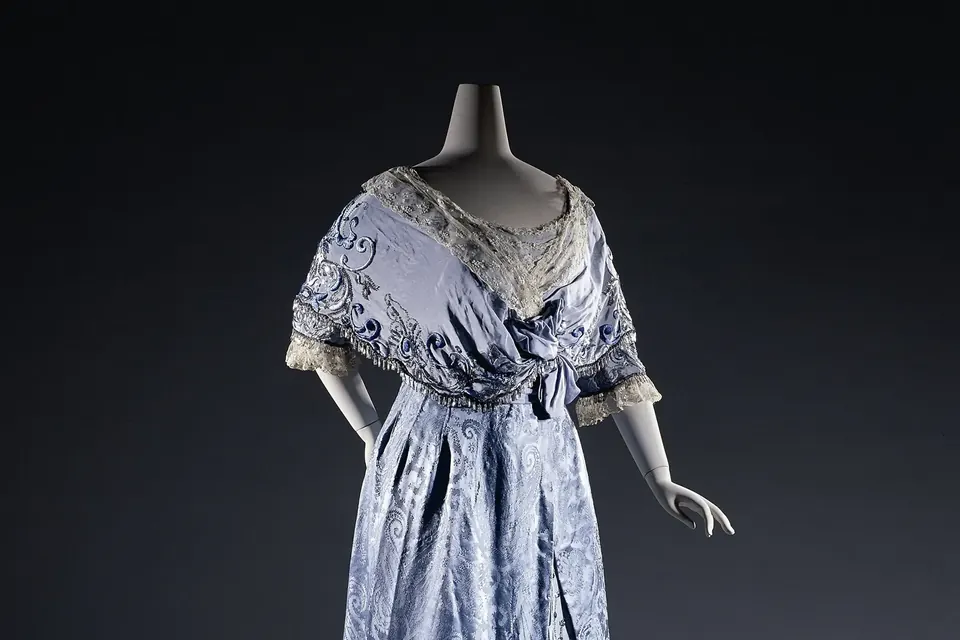
A sustainable gown for the red carpet
Archive pieces, deadstock silk, careful embellishment and a planned afterlife.
 Materials & footprint
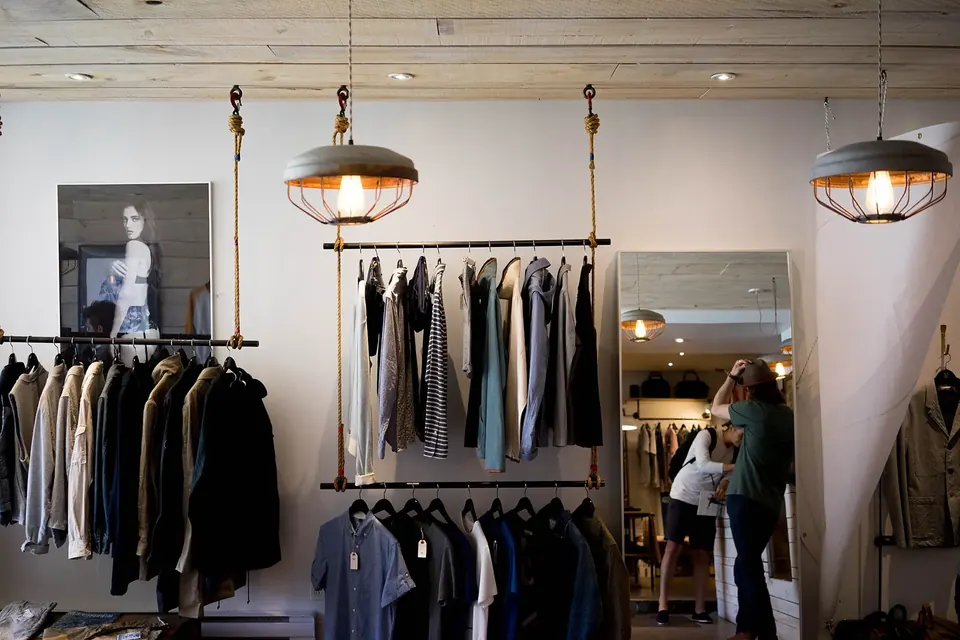
What is sustainable fashion?
The problems it tries to fix, the circular idea behind it, and where your own wardrobe fits in.
 Wardrobe
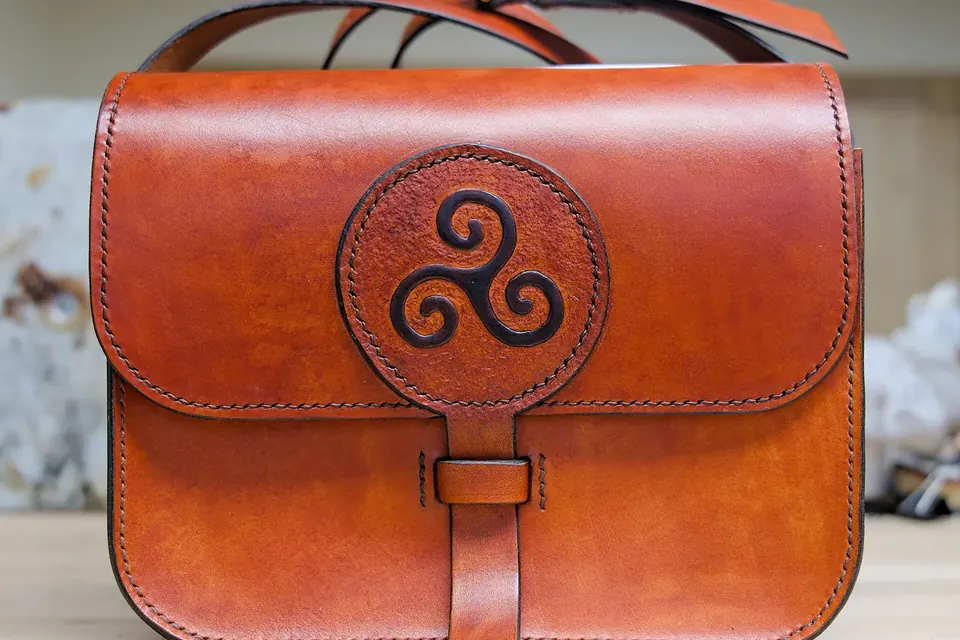
The story behind a bag
Upcycled, deadstock or second-hand: how to judge, repair and resell bags and accessories.