Sustainable in the city: a field guide to repairing, swapping and buying second-hand where you live
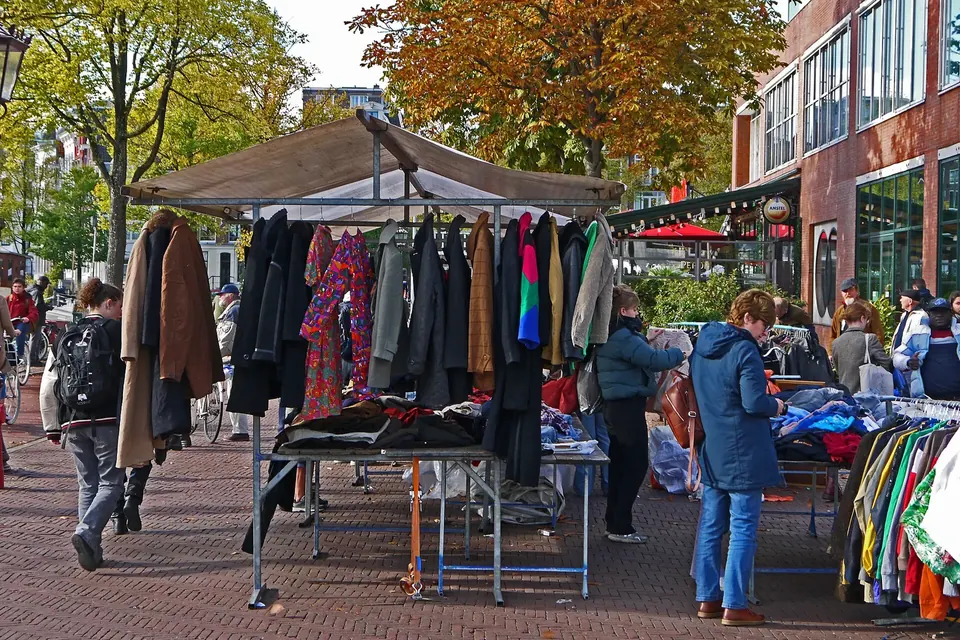
Cities are full of clothes that already exist: in markets, in charity shops, in neighbours' wardrobes. They are also full of people who know how to fix, alter and reinvent them. Living sustainably in a city is less about finding a perfect ethical brand than about learning to use this infrastructure, much of which is local, inexpensive and sociable.
Buying second-hand
Flea markets and vintage markets
The best place to start. Prices are often negotiable, stock is varied, and you can touch, inspect and sometimes try on. Arrive early for choice and late for bargains. Bring cash, a tape measure and a tote bag.
Charity and thrift shops
Shops in different neighbourhoods carry very different stock, reflecting who donates. Visit regularly rather than occasionally, because the racks change daily. Ask staff when new stock goes out.
Vintage boutiques and consignment shops
More expensive, but edited: garments are cleaned, checked and sometimes repaired. A good place for coats, tailoring and occasion wear, where quality matters most.
Swapping
Clothes swaps range from a few friends in a living room to large public events organised by libraries, community centres or local groups. Typical rules: bring a set number of clean, wearable items in good condition, and take away roughly the same number. Unclaimed items are usually donated afterwards. Swaps are especially useful for children's clothes, maternity wear and occasion wear, which are often outgrown or unworn long before they wear out.
Repairing
Repair cafés
The first Repair Café was held in Amsterdam in 2009; the format, free meetings where volunteers help visitors repair their own things, has since spread to many countries. Most have a textile table with sewing machines and volunteers who can replace a zip, patch a hole or shorten a hem, while showing you how. Find one through the Repair Café network's website or your local council.
Tailors and alterations shops
A good tailor is one of the most valuable addresses in a city. Typical jobs that transform how often you wear something:
- Taking in or letting out a waist
- Shortening sleeves and hems
- Tapering trousers
- Replacing zips and linings
- Reshaping a second-hand jacket to your shoulders
Ask for a quote first, and ask how much seam allowance there is if you want something let out.
Cobblers
Resoling, reheeling, stitching, stretching and recolouring leather shoes and bags. Good leather shoes can be resoled several times; replacing heel tips before they wear down to the heel block is cheap and prevents bigger repairs. Many cobblers also repair bags, belts and zips; see our guide to bags and accessories.
Knitwear and darning
Some cities have specialist knitwear repairers or invisible-mending services for moth holes in wool and cashmere. Libraries and community centres often run mending workshops.
Renting and borrowing
Rental is most useful for clothes you will wear once or twice: formalwear, a suit for an interview, a coat for a cold trip. Some cities also have clothing libraries, membership schemes where you borrow and return garments. Compare the price with buying second-hand, and read the conditions on cleaning and damage.
Passing clothes on
| Condition | Best destination |
|---|---|
| As new, good brand or vintage | Consignment shop, resale platform, vintage dealer |
| Good, wearable | Swap, friends and family, charity shop, local shelters (ask what they need) |
| Worn but usable | Charity textile banks, which sort for reuse and recycling |
| Worn out, torn, stained | Textile recycling collection points; never general waste |
In the European Union, member states have been required to provide separate collection for textiles since 1 January 2025, so most cities now have textile containers or collection at recycling centres. In the United States, collection varies by city; your municipality's waste website is the place to check.
A second-hand shopping kit
Second-hand shopping in a city rewards a little preparation. Carry:
- A small tape measure and a note of your key measurements and those of garments that fit you well; old size labels and foreign sizes are unreliable.
- A list of your real wardrobe gaps, so you are not seduced by every bargain.
- A tote bag, and some cash for markets.
- Clothes that are easy to try things on over, for stalls without fitting rooms.
Before paying, check underarms and collars for staining, seams for splitting, zips and buttons, knitwear for moth holes against the light, and the fabric for brittleness. Small faults such as a loose hem or a missing button are bargaining points and easy repairs; rotted underarms and widespread moth damage usually are not.
Getting about, and the hidden footprint
Much of the footprint of urban shopping lies in delivery: online orders, returns and repeat deliveries. Buying locally, in person, avoids most returns because you can see, touch and try. If you do buy online, second-hand or new, measure carefully and read return conditions, so that a garment makes one journey rather than three.
Build your own city map
- Two or three charity shops you pass regularly
- A monthly flea or vintage market
- A tailor you trust and a cobbler
- The nearest repair café and its schedule
- A swap group or event calendar
- Your nearest textile collection point
Keep the list on your phone, next to the list of real wardrobe gaps. Before buying anything new, check the map first.
The same infrastructure works for the rest of a home: furniture, curtains and linens. See furnishing a rental the circular way.
The most sustainable city wardrobe is stitched together from the neighbourhood.
Sources
- Repair Café International Foundation, repaircafe.org.
- European Commission, EU Strategy for Sustainable and Circular Textiles, and the revised Waste Framework Directive.
- Ellen MacArthur Foundation (2017), A New Textiles Economy, summary of findings.
 Wardrobe
How to shop less
Audit, find the real gaps, slow the impulse, and buy fewer, better pieces.
 Wardrobe
Sustainable shopping for maximalists
Colour, pattern and drama, sourced second-hand, rented, swapped and styled to last.
 People & power
The Women Series
Tailor, mender, dyer, sorter, organiser: profiles of the work behind circular fashion.