How to hand-wash a wool or cashmere sweater without shrinking it: water, soap, rinsing and drying flat
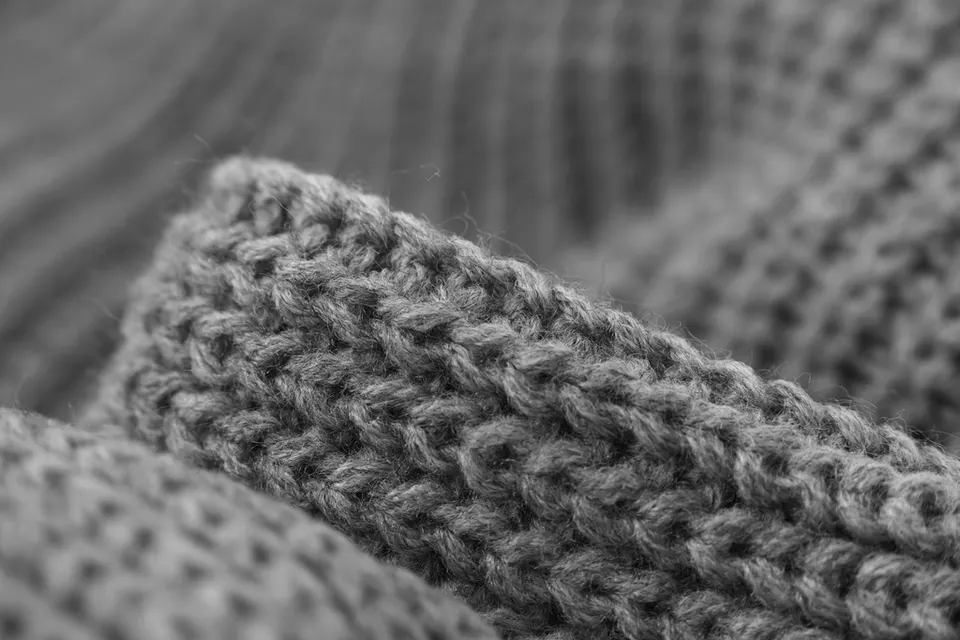
Almost everyone has a story about the jumper that came out of the wash two sizes smaller, thick and stiff like a boiled blanket. It is tempting to conclude that wool and water do not mix and to send every knit to the dry cleaner. In fact wool has been washed by hand for as long as it has been worn. What ruins it is not water but a particular combination of rubbing, sudden changes of temperature and harsh detergent. Avoid those, and a hand wash is the gentlest thing you can do for a sweater, a scarf or a cashmere cardigan.
Why wool shrinks: the scales on every fibre
Under a microscope, a wool fibre is not smooth. As the University of Waikato's Science Learning Hub explains, its surface is made of overlapping scales called cuticle cells, a little like the tiles on a roof. Those scales let fibres slide past each other easily in one direction and catch in the other. When wet wool is pushed and rubbed, fibres creep in the direction they can move and then cannot slide back. They tangle, lock together and pull the fabric in on itself. That process is felting, and in a garment you did not mean to felt, it is what we call shrinkage.
Felting needs three ingredients together: moisture, movement and, usually, warmth or a change of temperature. A University of Wisconsin-Extension activity sheet on the science of felting sums it up: the scales lift in hot water and then fuse as the fibres rub against each other, and once felting has happened it cannot be undone. Feltmakers use exactly this recipe on purpose, with hot soapy water and vigorous rolling. Washing wool safely is simply the reverse: cool or lukewarm water that stays at the same temperature, as little movement as possible, and a mild detergent.
Chemistry plays a part too. The Science Learning Hub notes that the inner parts of the fibre are weakly bonded and vulnerable to strong alkaline conditions, which is why a pH-neutral detergent is recommended. Ordinary washing powders, and especially those containing enzymes designed to break down protein stains, are a poor match for a fibre that is itself a protein.
Before you wash: read the label, then decide whether it needs it at all
Start with the care label. A tub with a hand in it means hand wash only; GINETEX, the association that manages the international care symbols, gives 40 °C as the maximum for that symbol, which is a ceiling rather than a target. A crossed-out tub means do not wash, and garments with structure, such as tailored jackets or coats with interlinings, really are better left to a professional. If you are unsure what a symbol means, our guide to reading a clothing care label goes through each one. Machine-washable wool exists too: it has been treated so that the scales stay flat, which is why some knits can go through a wool cycle while untreated ones cannot.
Then ask whether the garment is actually dirty. Wool needs washing far less often than cotton. Airing a sweater overnight after wearing, by an open window or on a balcony out of direct sun, removes most smells, and a quick brush with a clothes brush lifts surface dust. Treat small marks locally with a damp cloth. A jumper worn over a shirt might need a full wash only a few times a season. Two exceptions: wash anything before you put it away for the summer, because moth larvae are drawn to sweat and food traces, as we explain in how to get rid of clothes moths; and wash anything visibly stained before the stain sets.
What you need
- A clean basin, sink or bath, large enough for the garment to lie in without being crammed.
- A wool or delicates detergent, preferably labelled pH-neutral and without enzymes. A small amount of a mild hair shampoo works in a pinch, since hair and wool are the same kind of fibre.
- Two or three large, clean towels, preferably pale ones that will not shed dye.
- A flat surface where the garment can dry for a day or two: a drying rack with a mesh top, a towel on a table, or a clean bed of towels on the floor.
Step by step
1. Prepare the water
Fill the basin with cool to lukewarm water, roughly what feels neither warm nor cold on the inside of your wrist. Dissolve the detergent in it completely before the garment goes in, following the dose on the bottle; more soap does not clean better and only means more rinsing. Turn the sweater inside out, empty the pockets and close any buttons or zips.
2. Soak, do not scrub
Lower the garment into the water and press it down gently with flat hands until it is soaked through. Then leave it alone for ten minutes or so. The detergent does the work; rubbing does the damage. If a cuff or collar is grubby, squeeze the suds through that area a few times, pressing rather than rubbing fabric against fabric.
3. Rinse at the same temperature
Lift the garment out supporting its whole weight in both hands, because wet wool is heavy and hanging it from the shoulders stretches it. Drain the basin, refill it with water at the same temperature as the wash, and press the garment through it again. Repeat until no more suds appear. Matching the temperatures matters: a hot wash followed by a cold rinse is exactly the shock feltmakers use to finish their work. Some wool detergents are sold as no-rinse; follow the bottle if yours is one of them.
4. Remove the water without wringing
Press the garment against the side of the empty basin to squeeze out what water you can. Never wring or twist it. Lay it flat on a dry towel, roll the towel up with the sweater inside like a Swiss roll, and press or kneel on the roll so the towel absorbs the water. Unroll it and repeat with a second dry towel if the knit is still dripping. The Science Learning Hub notes that wool can absorb up to 30% of its own weight in water without feeling wet, so a sweater that seems almost dry still holds a lot of moisture; that is normal.
5. Dry it flat and reshape
Lay the garment flat on a fresh dry towel or a mesh rack, right side out. Pat it back into shape with your hands: line up the shoulders, straighten the side seams, ease the ribbing at the cuffs and hem back to its width and smooth the length to what it was. If you are worried about the size, measure the sweater before washing and match the measurements now. Leave it to dry away from radiators, fires and direct sunlight, turning it over once when the top feels dry. Do not hang a wet knit, whether on a hanger or a line: the weight of the water stretches the shoulders and length, sometimes for good.
Cashmere, merino and other fine knits
The same method suits cashmere, merino, alpaca and lambswool. Fine, loosely knitted yarns are more delicate than a sturdy fisherman's jumper, so be especially gentle and keep the soak short. Pilling after the first few washes is normal for soft knits and is not a sign that you washed them wrongly; our guide to removing pilling from clothes explains why the bobbles appear and how to take them off safely once the garment is dry. Silk knits can be washed the same way, but test a hidden seam first for colour fastness.
If it has already shrunk
Real felting is permanent: once the fibres have locked together, no wash will separate them. A garment that has only tightened a little, without becoming thick and matted, can sometimes be eased back. Soak it in lukewarm water with a little hair conditioner, which lubricates the fibres, then press out the water as above and gently stretch it a little at a time while it dries flat, pinning or weighting the edges. Results vary, and it is wise to expect a partial recovery at best. If the jumper is beyond saving, felted wool is a good material in its own right for slippers, potholders, mittens or patches.
Wool asks for patience rather than effort. Cool water, a mild soap, no rubbing, no wringing, and a towel to dry it flat.
Sources
- Science Learning Hub, University of Waikato, Wool fibre properties: cuticle scales, felting during laundering, pH-neutral detergent and water absorption.
- University of Wisconsin-Extension, The Science of Felting (4-H activity sheet, 2012): agitation and temperature change as the causes of felting, and treated machine-washable wool.
- GINETEX, Care symbols: meaning of the hand-wash symbol and its maximum temperature.
 Care & repair
How to remove pilling
Those little bobbles are not a sign that a jumper is finished. Why they form, how to take them off without thinning the knit, and how to slow them down.
 Care & repair
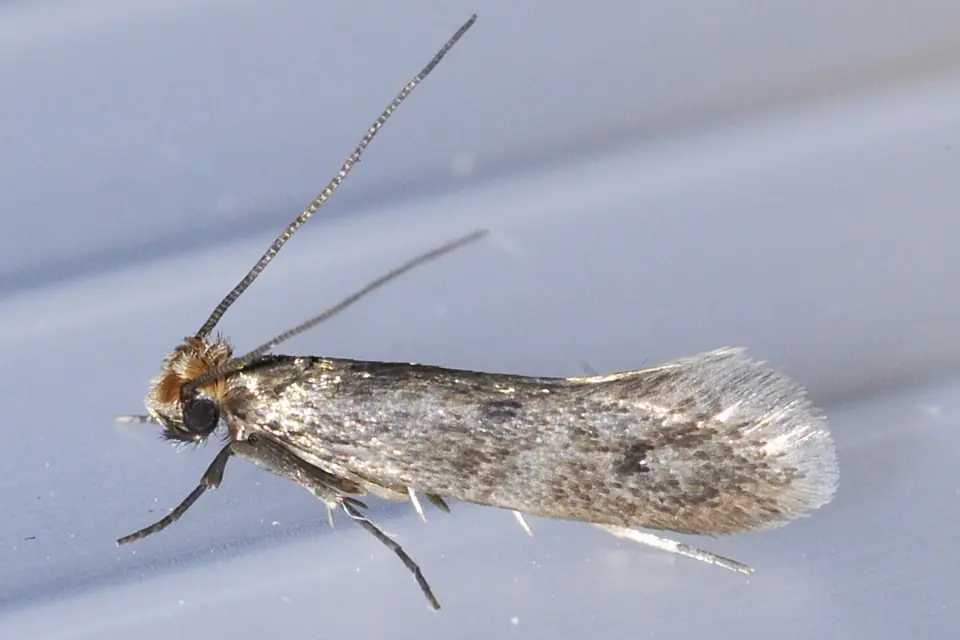
How to get rid of clothes moths
The moth you see is not the one eating your jumper. Where the larvae hide, what actually kills them, and how to store wool so they never get a second chance.
 Care & repair
How to read a care label
Tubs, triangles, squares, irons and circles: what each symbol really asks, and what it leaves out.