Garment care that makes clothes last: washing, drying, storing and repairing, fibre by fibre
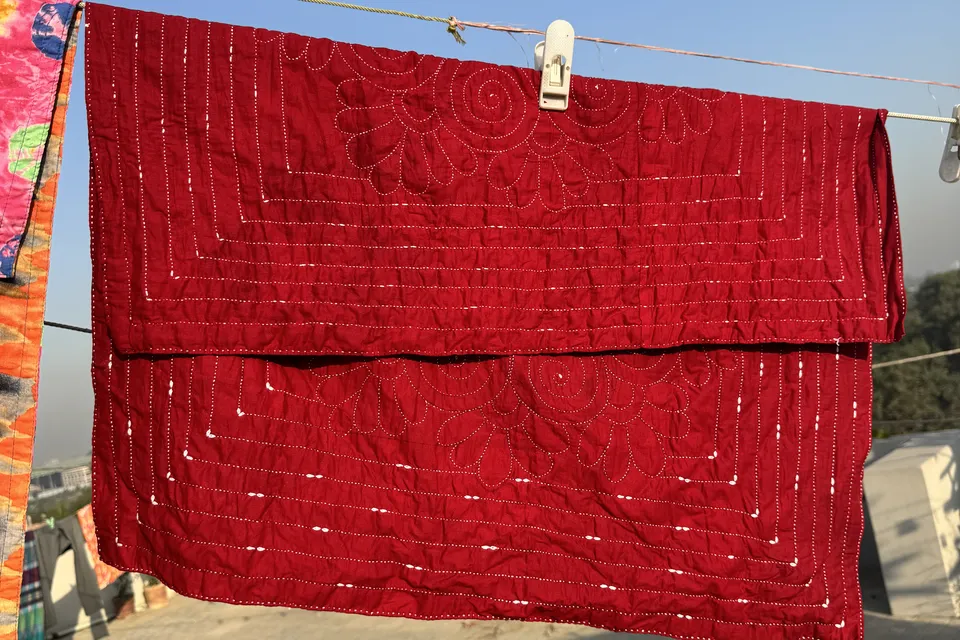
The most sustainable garment is the one already in your wardrobe, and how long it stays wearable depends largely on how it is washed, dried, stored and mended. Good care is not fussy: it mostly means doing less, at lower temperatures, and acting early when something goes wrong. This guide brings together the essentials and points to our detailed guides for each task.
Why care matters
Textiles are not a small part of our environmental footprint. According to the European Commission's strategy for sustainable and circular textiles, textile consumption in the EU has, on average, the fourth highest impact on the environment and climate change, after food, housing and mobility, and around 5 million tonnes of clothing, about 12kg per person, are discarded every year. Most of a garment's impact comes from making it, so every extra year of wear spreads that impact more thinly.
Care is also where many clothes are quietly worn out: hot washes shrink and fade them, tumble dryers weaken fibres, poor storage invites moths and stretched shoulders. None of that is inevitable.
1. Start with the label, then use judgement
The care label tells you the maximum treatment a garment can take: the washing temperature, whether it can be bleached, tumble dried, ironed or professionally cleaned. Our guide on how to read a clothing care label decodes the symbols. Treat the label as a ceiling, not a target: a shirt rated for 40°C will usually come out just as clean at 30°C, and a garment marked dry clean only can often be hand washed with care, as we explain in how to break up with your dry cleaner.
The fibre matters as much as the label. Wool, silk and cashmere need gentle handling and little agitation; cotton and linen are robust but shrink and crease; synthetics shed microfibres and hold odours. Our fibre guide sets out how the main fibres behave.
2. Wash less, cooler and fuller
- Wash less often. Jeans, jumpers and coats rarely need a wash after one wear. Airing a garment overnight and spot-cleaning marks will often do.
- Turn the temperature down. Modern detergents are designed to work at low temperatures for everyday dirt; keep hot washes for towels, bedding and heavily soiled items.
- Turn clothes inside out and close zips. This protects prints and dark colours and stops zips snagging other garments.
- Use a gentle cycle or a wash bag for delicates, and do not overload the drum, which increases friction without saving much.
- Measure the detergent. Too much leaves residue that stiffens fabric and attracts dirt.
Wool knitwear is the classic casualty of the washing machine. Our step-by-step guide to hand-washing a wool sweater shows how to clean it without felting or stretching it.
3. Dry without heat whenever you can
Tumble drying is convenient but hard on clothes: heat and tumbling shrink natural fibres, weaken elastic and wear down fabric surfaces, as the lint filter makes plain. Drying on a line or rack is gentler and uses no energy. Hang shirts and dresses on hangers to reduce ironing; dry knits flat on a towel so their weight does not pull them out of shape; keep bright colours out of strong direct sun, which fades them.
4. Store clothes so they keep their shape
- Fold knits rather than hanging them, which stretches the shoulders.
- Use shaped hangers for coats and jackets, and leave a little space between garments so they can breathe.
- Clean before storing. Moth larvae feed on wool and other animal fibres, especially where there are traces of sweat or food. Our guide to getting rid of clothes moths covers prevention and treatment.
- Store out-of-season clothes clean, dry and in breathable bags or boxes, away from damp.
5. Deal with problems early
Most damage starts small. A stain treated while fresh usually comes out; one that has been through a hot wash and a dryer often will not. Our guide to stain removal explains which treatment suits which stain. Pills on knitwear are a surface problem that a fabric shaver or comb can remove without harming the garment, as described in how to remove pilling.
6. Repair before you replace
A loose button, a small hole or a split seam takes minutes to fix and adds years to a garment. Darning is the traditional answer for knitwear and socks, and it is easier than it looks: see our guide to darning a hole in a sweater or sock. For bigger jobs, such as replacing a zip or relining a coat, a local repair shop or tailor is usually cheaper than a new garment of the same quality. In France, a repair bonus for clothes and shoes reduces the cost of repairs at participating professionals.
A simple routine
- After wearing: air the garment and hang or fold it properly.
- Before washing: check the label, empty pockets, close zips, treat stains.
- Washing: lowest effective temperature, gentle cycle for delicates, measured detergent.
- Drying: line, rack or flat; tumble drying only when the label allows and time is short.
- Each season: mend small damage, clean and store what you will not wear.
Good care is mostly restraint: wash less, keep the heat down, dry in the air and mend early.
Sources
- European Commission, EU Strategy for Sustainable and Circular Textiles (impact of textile consumption, clothing discarded in the EU).
- GINETEX, the international association for textile care labelling, care symbols and textile care advice.
- WRAP, Valuing our clothes: the cost of UK fashion (the role of care and durability in reducing the footprint of clothing).
 Care & repair
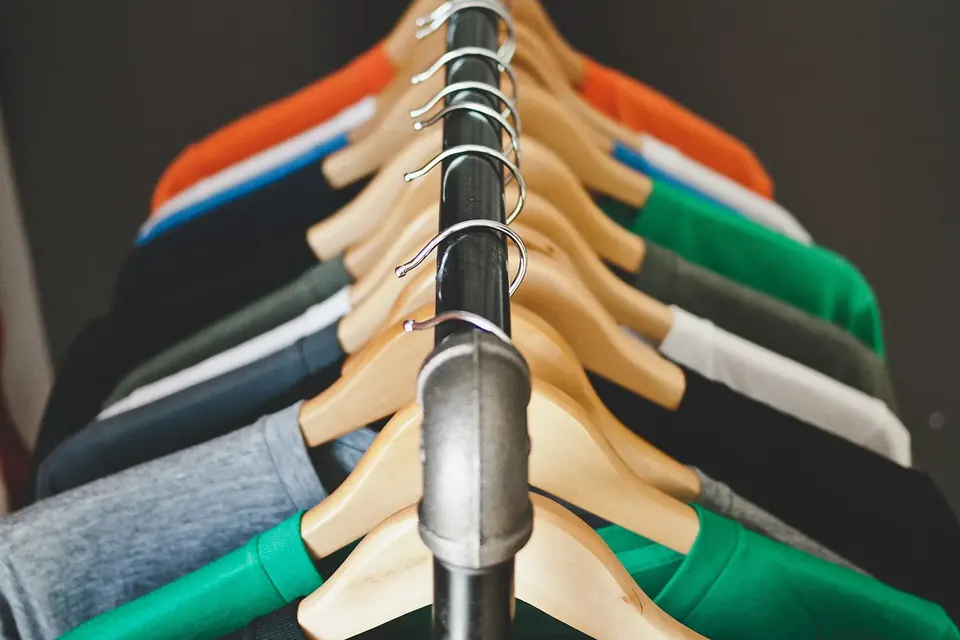
How to read a care label
Tubs, triangles, squares, irons and circles: what each symbol really asks, and what it leaves out.
 Care & repair
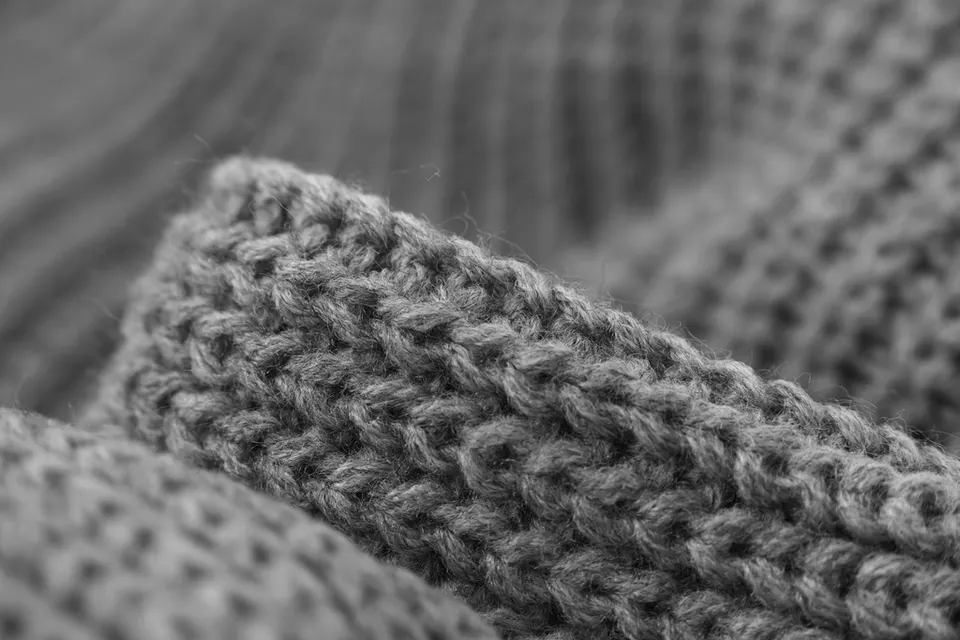
How to hand-wash a wool sweater
Wool does not shrink because of water, it shrinks because of rubbing, heat shocks and alkaline soap. A calm, step-by-step method for washing jumpers and cashmere by hand.
 Care & repair
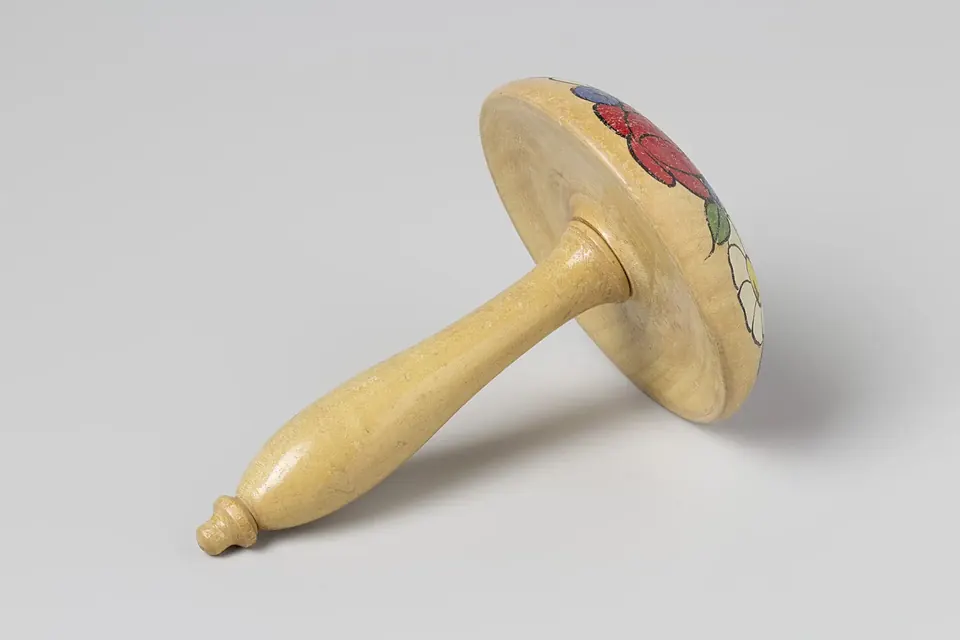
How to darn a hole in knitwear
A mushroom, a blunt needle and twenty quiet minutes: the old weave that saves a favourite jumper.